News

How to Color Halogen-Free TPE Raw Materials? Does it Compromise Environmental Friendliness?

2025-12-17


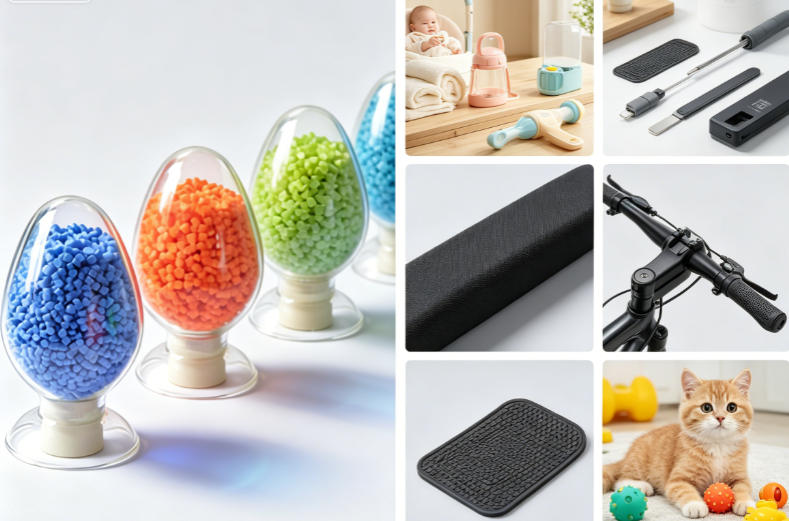
Halogen-free TPE raw materials are widely used in applications requiring environmental friendliness, such as baby products, electronic accessories, and medical consumables, due to their eco-friendly characteristics. Many users wonder how to color this material and whether it will retain its original environmental properties after coloring. In fact, coloring halogen-free TPE is not complicated. By following the compatibility principles and choosing the right methods and colorants, you can achieve the desired color while maintaining environmental standards. Below, Huizhou Zhongsuwang's editor will provide detailed answers.

TPE Material

I. Coloring Methods

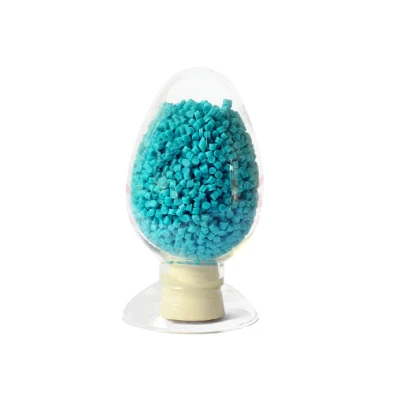
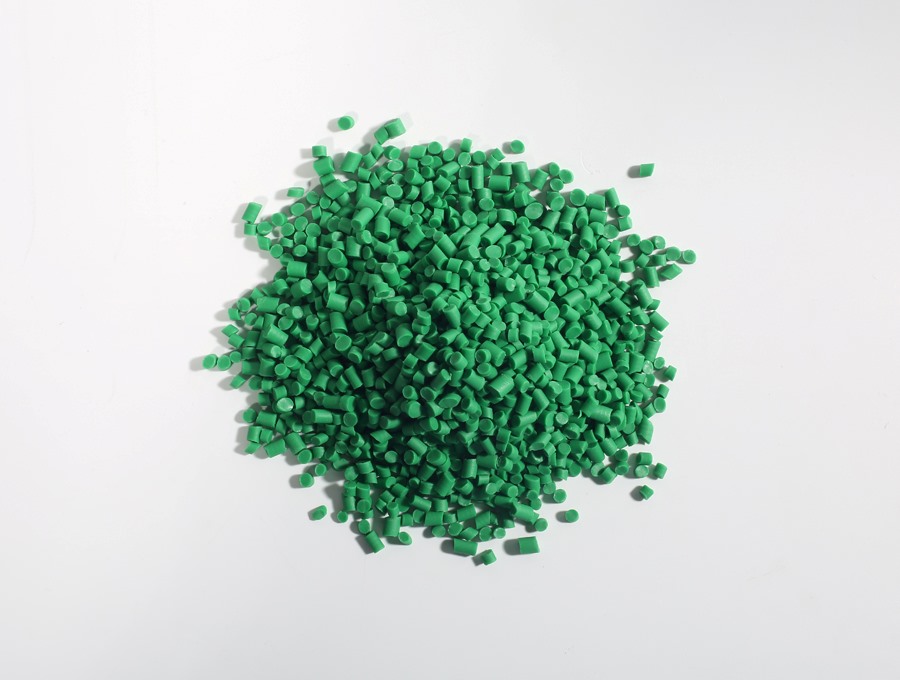
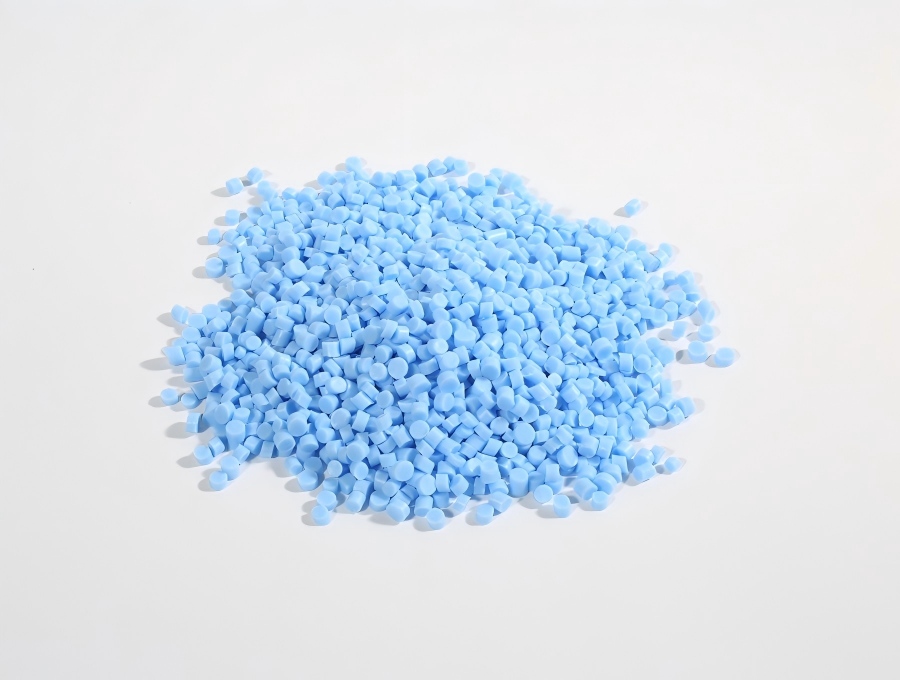
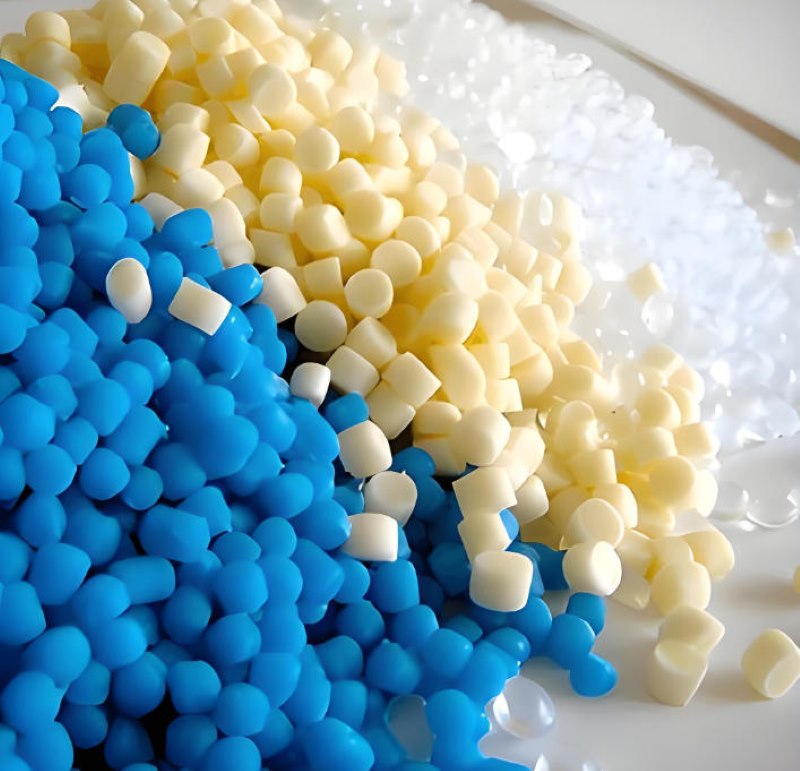
The main method for coloring halogen-free TPE raw materials is physical mixing. There are two common methods, both simple to operate and capable of preserving the material's original properties. Color masterbatch blending is a widely used method. It requires selecting a halogen-free color masterbatch that is highly compatible with the halogen-free TPE base material. The color masterbatch is mixed evenly with the TPE raw material granules in the appropriate proportion and then fed into processing equipment such as injection molding machines. The carrier resin of the color masterbatch must match the TPE base material to reduce problems such as uneven dispersion and peeling. This method provides good color uniformity and strong color stability, making it suitable for mass production.


Direct addition of color powder is more suitable for small-batch production or situations requiring flexible color adjustments. Choose an environmentally friendly color powder with good dispersibility, and mix it with the TPE raw material in small amounts repeatedly, stirring thoroughly to ensure the color powder is evenly attached to the surface of the raw material granules. This method is less expensive and allows for flexible color adjustment, but it is important to control the amount added, as excessive amounts may affect the elasticity and processing fluidity of the TPE material.


Regardless of the coloring method used, it is recommended to conduct small-batch trials before coloring to observe color uniformity, adhesion, and any changes in material properties before proceeding with large-scale production.

TPE Material

II. Environmental Friendliness After Coloring

The environmental friendliness of the TPE raw material after coloring mainly depends on the choice of colorant and the overall material formulation. By controlling these key aspects, the environmental attributes can be maintained. The selection of colorants is particularly crucial.  Environmentally friendly masterbatches or color powders that are halogen-free, heavy metal-free, and low-VOC should be used. These colorants do not contain harmful halogen components and will not introduce additional heavy metal pollutants, meeting the requirements of environmental standards such as RoHS and REACH. The use of colorants containing halogenated additives or toxic solvents should be avoided, as this would undermine the inherent environmental friendliness of halogen-free TPE.


From the material itself, high-quality halogen-free TPE raw materials do not contain halogens. The coloring process is purely physical mixing and does not involve chemical reactions, thus preventing the generation of new harmful substances. If the colorant and TPE base material have good compatibility, there will be no migration or leaching of harmful substances after processing, meeting the environmental requirements for food contact and medical applications.


Furthermore, some halogen-free TPE colored products can pass third-party environmental testing, using the test data to confirm that their halogen content, heavy metal content, and other indicators meet relevant standards, further enhancing safety during use.


In summary, halogen-free TPE raw materials can be colored through masterbatch blending or direct addition of color powder, which is convenient and ensures good color results. Its environmental friendliness primarily depends on the selection of environmentally friendly colorants. As long as halogen-free and heavy metal-free colorants are used, the product's environmental attributes can be maintained, making it suitable for various applications with environmental requirements.


In practical use, it is recommended to prioritize halogen-free and environmentally friendly colorants from reputable suppliers and conduct compatibility tests with the TPE raw materials to ensure uniform and stable color while maintaining environmental standards. Coloring and environmental protection of halogen-free TPE are not mutually exclusive; choosing the right method allows for both aesthetically pleasing and environmentally friendly products.


Related News
在线客服系统
X
We use cookies to offer you a better browsing experience, analyze site traffic and personalize content. By using this site, you agree to our use of cookies. Privacy Policy
Reject Accept