News

Is Anti-Friction TPR Material the Ultimate Solution for Enhancing Durability, Grip, and Performance Across Industries

2026-03-31 0 Leave me a message

Anti-Friction TPR (Thermoplastic Rubber) material has rapidly become a preferred solution in modern manufacturing due to its excellent balance of flexibility, durability, and wear resistance. This comprehensive guide explores what anti-friction TPR material is, how it works, its key properties, industrial applications, and why it stands out compared to traditional materials. We also provide practical insights, comparison tables, and FAQs to help engineers, designers, and procurement specialists make informed decisions.


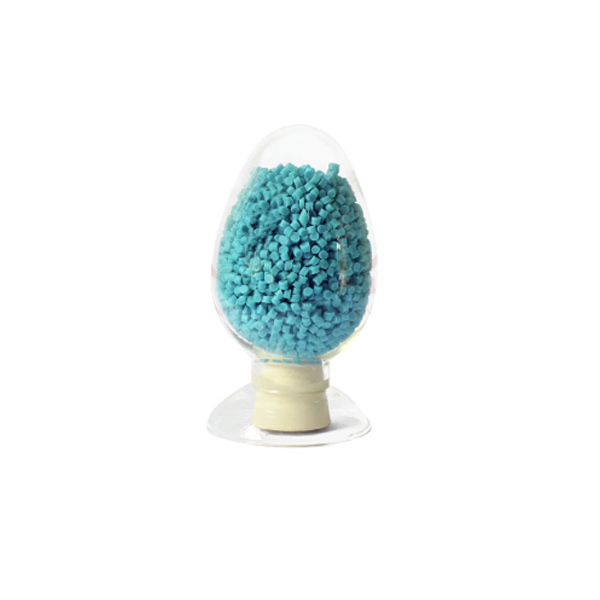
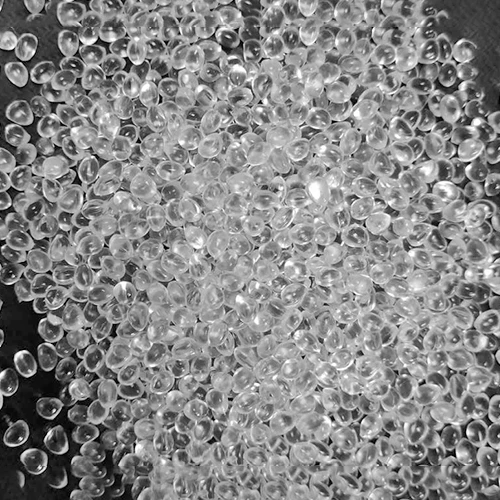
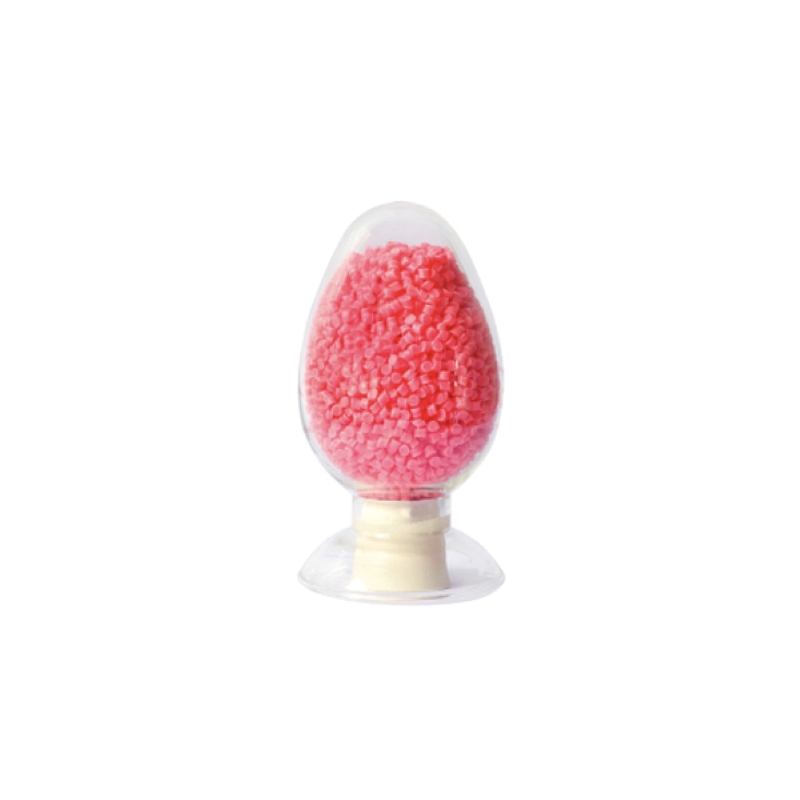
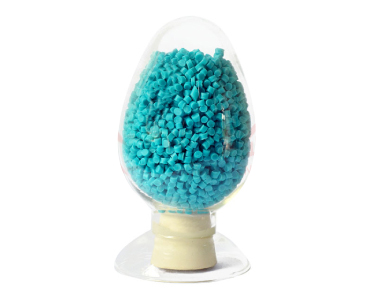
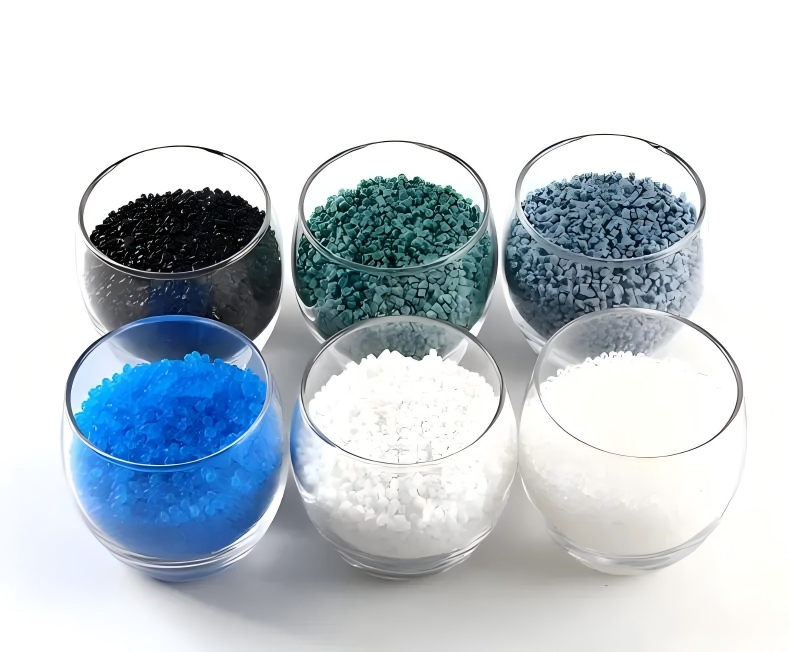
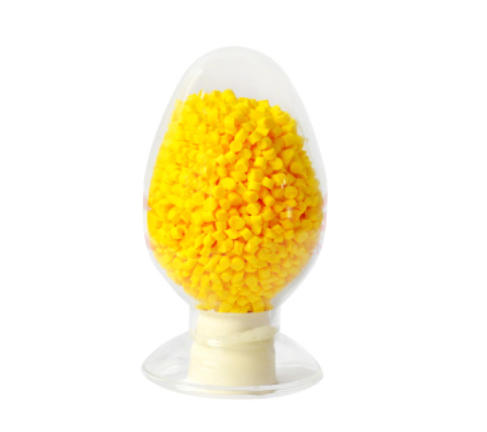
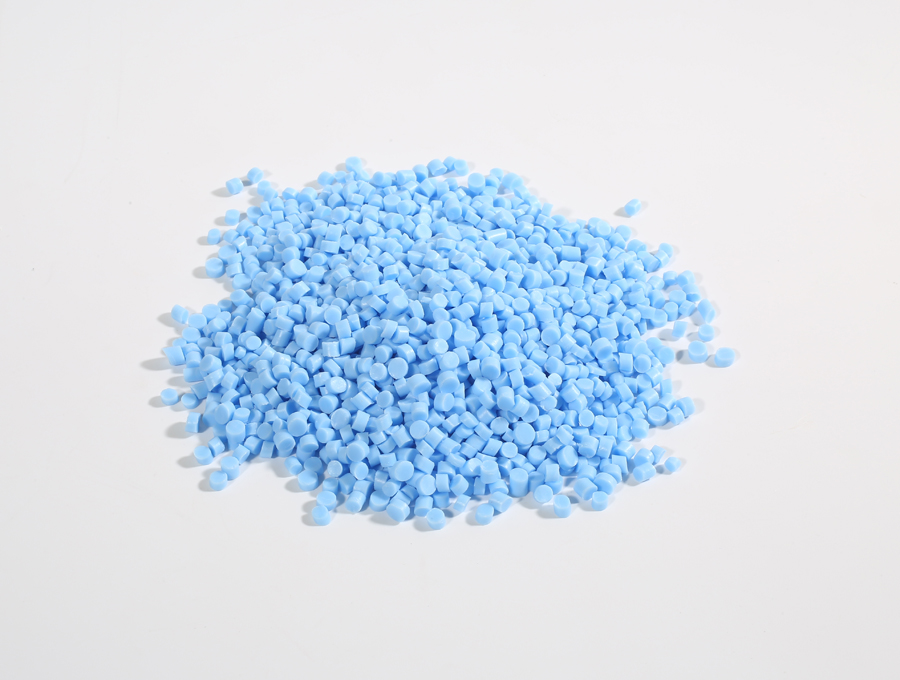
Anti-Friction TPR material

Table of Contents


What Is Anti-Friction TPR Material?

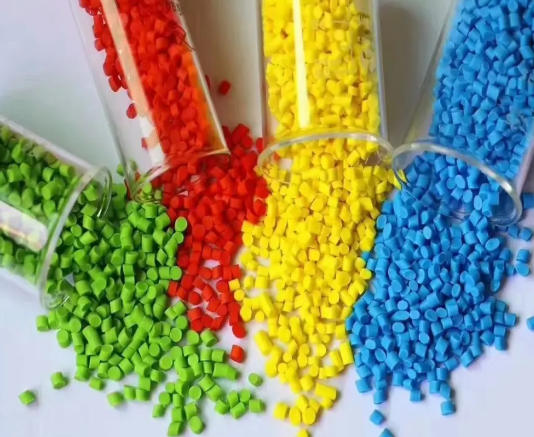
Anti-Friction TPR material is a specialized form of thermoplastic rubber engineered to minimize surface resistance and enhance smooth motion between contacting surfaces. It combines the elasticity of rubber with the processability of plastics, making it highly versatile for a wide range of industrial and consumer applications.

Unlike traditional rubber, TPR can be melted and reprocessed multiple times without significant degradation, making it both cost-effective and environmentally friendly. Anti-friction formulations incorporate additives and structural modifications that reduce coefficient of friction while maintaining mechanical strength.


Key Properties and Characteristics

Property Description Benefit
Low Friction Coefficient Reduces resistance between surfaces Smoother motion, less wear
Elasticity Rubber-like flexibility Shock absorption and comfort
Durability High resistance to abrasion Long service life
Recyclability Thermoplastic nature Eco-friendly and cost-saving
Chemical Resistance Resistant to oils and chemicals Reliable in harsh environments

How Anti-Friction TPR Reduces Friction

The anti-friction performance of TPR materials comes from a combination of surface engineering and internal molecular structure. These materials are formulated with lubricating fillers, modified polymer chains, and optimized surface textures.

  • Incorporation of slip agents reduces surface resistance
  • Micro-textured surfaces minimize contact area
  • Elastic deformation absorbs mechanical stress
  • Uniform polymer distribution ensures consistent performance

This unique combination allows anti-friction TPR to outperform conventional rubber in dynamic applications where repeated motion occurs.


Industrial Applications of Anti-Friction TPR

Anti-Friction TPR is widely used across multiple industries due to its adaptability and performance advantages.

1. Automotive Industry

  • Seals and gaskets
  • Interior components
  • Anti-slip mats

2. Consumer Electronics

  • Protective casings
  • Keyboard components
  • Cable insulation

3. Footwear Industry

  • Shoe soles
  • Anti-slip grips
  • Comfort cushioning

4. Industrial Machinery

  • Rollers and conveyor components
  • Shock absorbers
  • Wear-resistant coatings

Companies like Zhongsu Wang have been actively contributing to the development of high-performance TPR materials tailored for diverse industrial needs.


Comparison with Other Materials

Material Friction Level Flexibility Durability Recyclability
TPR Low High High Yes
Natural Rubber Medium High Medium No
Silicone Low Very High High Limited
PVC High Low Medium Yes

Advantages of Anti-Friction TPR

  • Excellent wear resistance for long-term use
  • Superior grip and anti-slip performance
  • Cost-effective manufacturing process
  • Environmentally friendly and recyclable
  • Customizable hardness and texture

These advantages make it a preferred material in both high-performance and everyday applications.


How to Select the Right TPR Material

Choosing the right anti-friction TPR material depends on several critical factors:

  • Application environment: temperature, humidity, and chemical exposure
  • Mechanical requirements: load, stress, and wear conditions
  • Surface interaction: contact materials and motion type
  • Compliance standards: safety and regulatory requirements

Working with experienced manufacturers such as Zhongsu Wang ensures access to customized formulations tailored to your specific needs.


Manufacturing and Processing Techniques

Anti-Friction TPR materials are compatible with a variety of manufacturing processes:

  • Injection molding
  • Extrusion
  • Blow molding
  • Overmolding

These processes allow for efficient mass production while maintaining consistent quality and performance.


Future Trends and Innovations

The future of anti-friction TPR materials is driven by innovation in material science and sustainability:

  • Development of bio-based TPR compounds
  • Enhanced nano-additive technologies
  • Smart materials with adaptive friction properties
  • Improved recyclability and circular economy integration

As industries demand higher efficiency and sustainability, anti-friction TPR will continue to evolve as a key material solution.


Frequently Asked Questions (FAQ)

1. What makes TPR different from traditional rubber?

TPR combines the elasticity of rubber with the processability of thermoplastics, allowing it to be recycled and reshaped.

2. Is anti-friction TPR suitable for outdoor use?

Yes, many formulations are UV-resistant and weatherproof, making them ideal for outdoor applications.

3. Can TPR be customized?

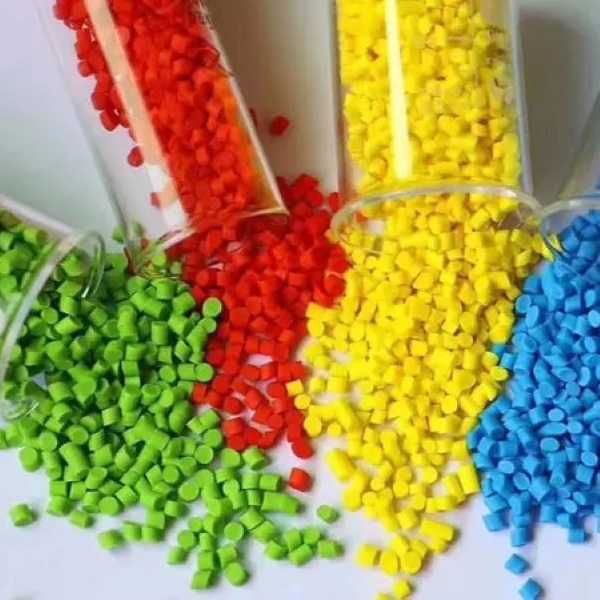
Absolutely. Manufacturers can adjust hardness, color, and friction properties to meet specific requirements.

4. Is TPR environmentally friendly?

Yes, TPR is recyclable and often considered a more sustainable alternative to traditional rubber.

5. Where can I source high-quality anti-friction TPR materials?

Reliable suppliers like Zhongsu Wang offer advanced solutions with consistent quality and customization options.


Conclusion

Anti-Friction TPR material is revolutionizing industries with its unique combination of flexibility, durability, and low friction performance. From automotive to consumer goods, its versatility makes it an indispensable material in modern manufacturing.

If you are looking to enhance product performance, reduce wear, and improve user experience, anti-friction TPR is undoubtedly a solution worth considering.

For more information, tailored solutions, or bulk inquiries, feel free to contact us today and discover how Zhongsu Wang can support your business with high-quality anti-friction TPR materials.

Related News
Leave me a message
在线客服系统
X
We use cookies to offer you a better browsing experience, analyze site traffic and personalize content. By using this site, you agree to our use of cookies. Privacy Policy
Reject Accept