News

TPE Materials Explained: Performance Testing, Application Scenarios, and Quality Assessment

2026-08-14 0 Leave me a message

TPE materials combine the elasticity of rubber with the processing advantages of plastics. They are environmentally friendly, easy to mold, and have a soft texture, making them widely used in the automotive, electronics, consumer goods, toy, and medical industries. Below, Zhongsu Wang analyzes the practical performance of TPE materials from four perspectives—basic properties, application suitability, quality assessment, and product selection—to provide a reference for material selection in the industry.


Part One: Basic Performance Characteristics

In terms of basic performance, soft TPE materials exhibit good resilience, quickly returning to their original shape after being compressed. They are resistant to whitening or cracking even after repeated bending, and offer outstanding slip resistance and a skin-friendly feel, making them suitable for products requiring a secure grip, such as baby bathtubs and tool handles. Well-developed formulations can meet food-contact-grade standards, are free of phthalates and bisphenol A, and have passed RoHS and FDA testing. They pose a low risk of leaching during prolonged contact with skin or food, which is one reason TPE is widely chosen for maternal and infant products as well as food service items. In terms of processing, TPE materials do not require vulcanization and can be injection-molded, extruded, or blow-molded. Scrap material can be recycled and reused, and the molding cycle is significantly shorter than that of traditional rubber. However, TPE also has its limitations. Prolonged exposure to temperatures above 85°C can cause it to soften and deform; its oil resistance is weaker than that of TPU, and it may swell when exposed to engine oil or strong solvents. Standard TPE is prone to yellowing and a loss of elasticity after prolonged exposure to sunlight outdoors; for applications requiring high weather resistance, modified TPV materials are more suitable.

Part Two: Differences in Suitability Across Scenarios

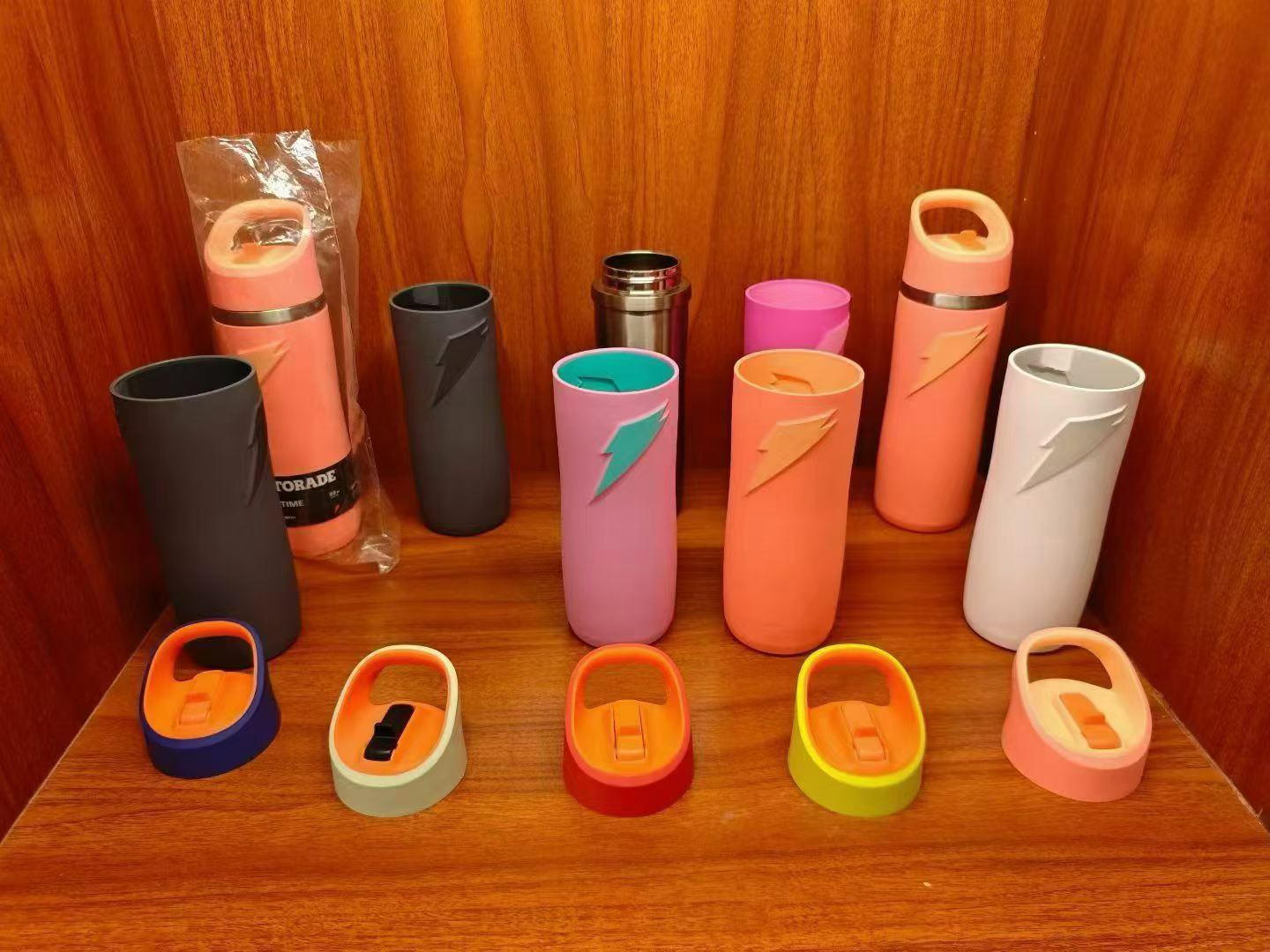
From a practical application perspective, the requirements for TPE materials vary significantly across different industries. For daily-use and maternal and infant products, the focus is on tactile feel, low odor, and softness at low temperatures. Poor-quality recycled materials often have a strong odor and may release oily residues after high-temperature boiling. In automotive and industrial tooling applications, wear resistance and resistance to compression set are prioritized. While general-purpose TPE materials offer acceptable tactile feel in the short term, they are prone to indentation under prolonged pressure. Modified TPE, through optimized filler systems, also provides more reliable overmolding adhesion to rigid plastics such as ABS and PP. Electronic wiring and toys, on the other hand, prioritize insulation and bend resistance, and eco-friendliness and tear resistance, respectively. Formulations must be adjusted for different products based on usage conditions to avoid issues with generic materials, such as poor tactile feel, susceptibility to aging, or stringing during molding.


Part Three: Methods for Quality Identification

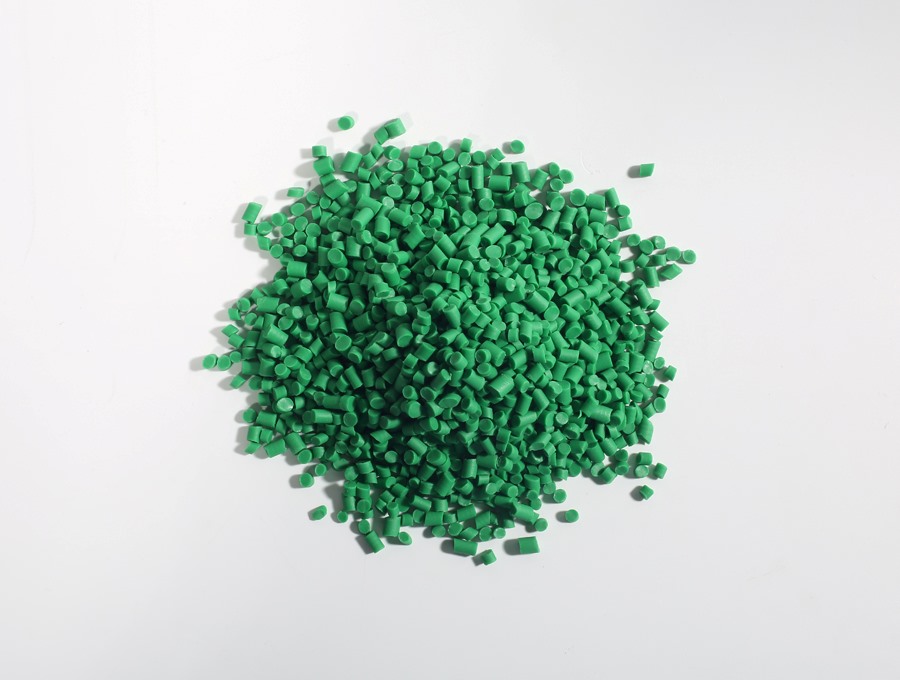
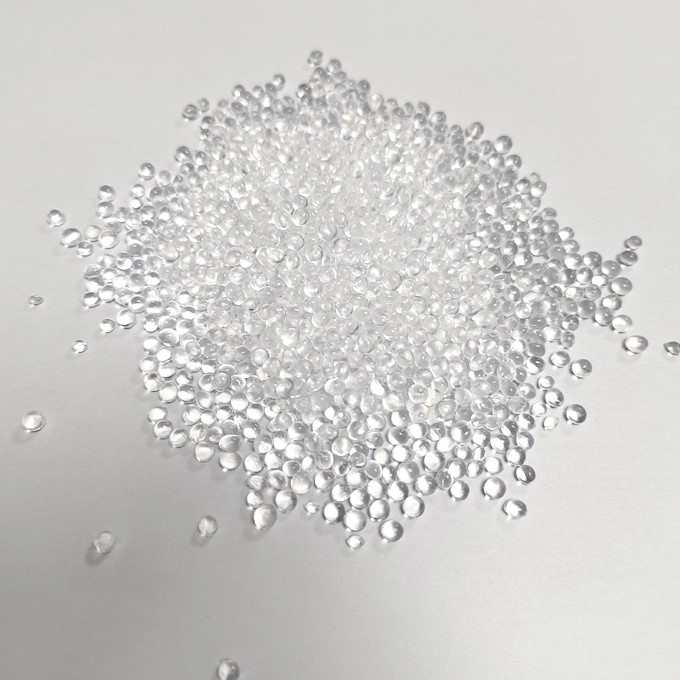
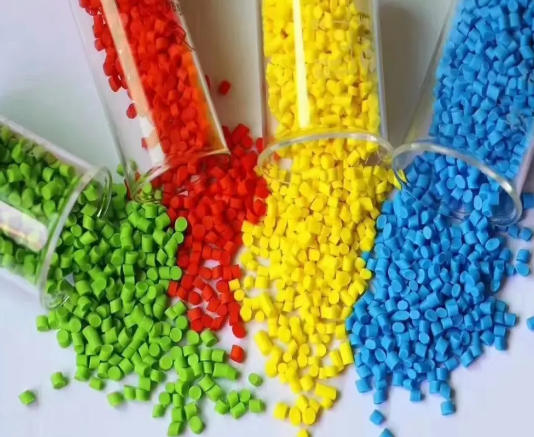
When assessing quality, focusing solely on price can lead to overlooking durability. Initial sensory testing involves observing whether the granules have uniform color and whether an oily film appears on the surface after kneading. For aging tests, place samples in a high-temperature aging chamber for 72 hours and observe changes in hardness, color, and surface condition. Environmental testing requires the use of a RoHS analyzer to screen for heavy metals and halogens; food-grade products must also undergo migration testing. Material manufacturers with in-house R&D and testing capabilities can typically control VOC and leaching levels at the source.

Summary of Material Selection

From a material selection perspective, general-purpose TPE offers high cost-effectiveness and is suitable for indoor, room-temperature daily-use products. TPV demonstrates better high-temperature resistance and aging resistance, making it suitable for automotive and outdoor components. TPU is highly abrasion- and oil-resistant and is commonly used in cables and wear-resistant components. Overall, TPE is a viable choice for lightweight, eco-friendly flexible materials. By selecting the appropriate modified formulation based on operating temperature, contact media, and environmental standards, a balance can be achieved between cost, tactile feel, and service life. When procuring materials, it is recommended to prioritize suppliers with in-house R&D capabilities, testing equipment, and large-scale production lines to ensure batch consistency and reliable long-term supply.


Related News
Leave me a message
在线客服系统
X
We use cookies to offer you a better browsing experience, analyze site traffic and personalize content. By using this site, you agree to our use of cookies.Privacy Policy
RejectAccept