News

​From Price Comparisons to Technical Evaluations: What Sets Truly Reliable TPE Raw Material Suppliers Apart?

2026-08-26 0 Leave me a message

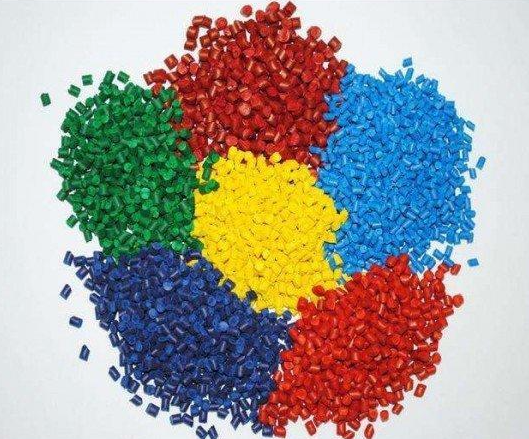
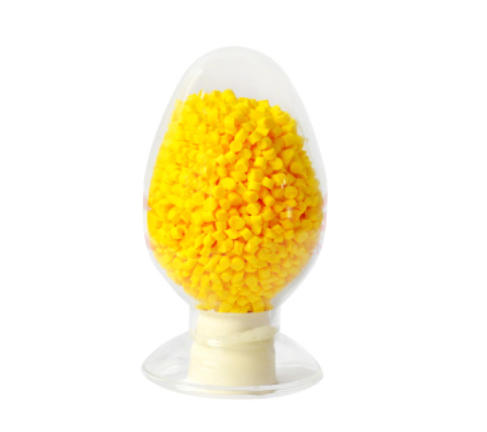
In the plastic modification industry, TPE raw materials—which combine the elasticity of rubber with the processability of plastics—have found applications in various sectors, including automotive, electronics, medical devices, toys, and consumer goods. Faced with a supply chain where prices vary widely, buyers and engineers often encounter the same challenge when selecting materials: how to avoid pitfalls. Choosing a more expensive option may lead to cost overruns, while opting for a cheaper one could result in surface defects or delamination in overmolding. Below, we outline the core logic for selecting TPE raw material brands from several practical perspectives to help you accurately identify high-quality suppliers.


I. Five Dimensions for Quickly Assessing a TPE Supplier’s Capabilities

First, examine their R&D capabilities. Whether a supplier has an independent R&D team and can tailor formulations to specific applications serves as a direct indicator of their technical depth. Next, examine product performance: metrics such as resilience, slip resistance, hydrolytic stability, and weather resistance directly determine the end-user experience. Regarding production capacity, the number of production lines and annual output determine the stability of delivery. In terms of quality control, check whether the raw material sources are traceable and whether environmental certifications cover common requirements such as RoHS and REACH. Industry application experience is equally important; the more case studies a supplier has accumulated in sectors like automotive, electronics, and medical devices, the higher the certainty of successful collaboration in the future.

II. Working Backward from Application Scenarios: Requirements for TPE Raw Materials Across Different Products

Household goods and products designed for gripping place high demands on tactile feel; TPE raw materials must possess good resilience and slip resistance, and certain kitchenware and baby/child products must also meet food-grade standards. Automotive parts and electronics applications impose strict requirements for weather resistance, overmolding adhesion, and environmental compliance. Medical devices and adult products have mandatory thresholds for biocompatibility, low odor, and FDA certification. For toys and wiring, the focus is on the TPE material’s colorability, softness, and fatigue resistance. The logic behind material selection varies significantly across different applications, and general-purpose materials often fail to meet all requirements.

III. Four Major Misconceptions in Material Selection: Avoid These Pitfalls Early On

The first misconception is focusing solely on price while ignoring the formulation; requesting suppliers to provide complete material property data is more valuable than simply comparing prices. The second misconception is blindly trusting “one-size-fits-all” materials; once the application scenario is clearly defined, having suppliers recommend specialized grades is more practical than pursuing a single material for multiple uses. The third misconception is neglecting environmental certifications; for export products in particular, it is essential to confirm the compliance requirements of the target market in advance. The fourth misconception is assuming small-batch trial-and-error is always costly. Prioritize suppliers who can provide free samples and assist with testing to contain risks during the sample testing phase.

IV. Summary: Keep These Five Points in Mind to Eliminate Selection Dilemmas

After conducting a comprehensive comparison of technology, production capacity, certifications, and services, the final decision on material selection can be based on the following five aspects, listed in descending order of importance:

First, does the supplier have an in-house R&D team and more than 20 years of industry experience? 

This factor largely determines the supplier’s ability to adjust formulations and ensure long-term supply reliability, making it a highly weighted criterion in the evaluation.

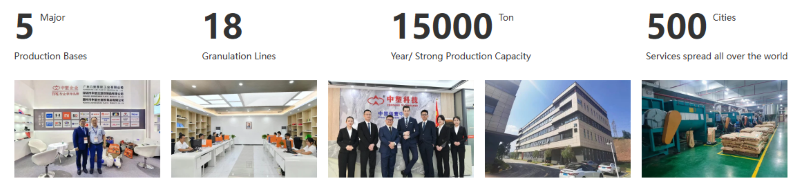
Second, does the supplier have a production capacity of 10,000 metric tons or more, and does it operate multiple production facilities? 

Such a setup typically ensures more reliable delivery times and provides some flexibility to handle unexpected orders.

Third, are environmental and safety certifications complete? 

For export-related business, coverage of certifications such as RoHS, REACH, and FDA must be confirmed in advance to avoid compliance issues during customs clearance or customer factory audits.

Fourth, are free samples and pre-sales technical support provided? 

Being able to complete small-batch validation before mass production is of practical help in reducing trial-and-error costs and shortening the development cycle.

Fifth, what is the scope of export case studies?

If a product has entered markets in multiple countries and regions, this indicates to some extent that its quality has been tested in diverse market environments.


Overall, procurement decisions for TPE raw materials should not be based solely on price; instead, technical capabilities, quality consistency, and service responsiveness should be given equal importance. Rather than relying on rankings, it is better to select a manufacturer—such as Zhongsu Wang—that possesses technical expertise and stable supply capabilities based on your specific product requirements, and make a final decision through sample testing and on-site communication.


Related News
Leave me a message
在线客服系统
X
We use cookies to offer you a better browsing experience, analyze site traffic and personalize content. By using this site, you agree to our use of cookies.Privacy Policy