News

What Kind of TPR Injection Molding Materials Can Achieve Burr-Free, Non-Stick Mold and Flow Mark-Free Results?

2026-10-12 0 Leave me a message

What Kind of TPR Injection Molding Materials Can Achieve Burr-Free, Non-Stick Mold and Flow Mark-Free Results? Many injection molders are troubled by common defects in soft rubber molding: flash, mold sticking and flow marks. These defects lead to extra trimming work, unstable product appearance, high reject rates and longer production cycles. So what kind of TPR injection molding materials can effectively avoid these issues?

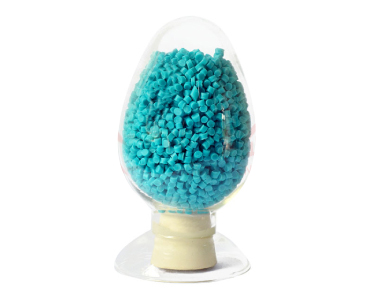
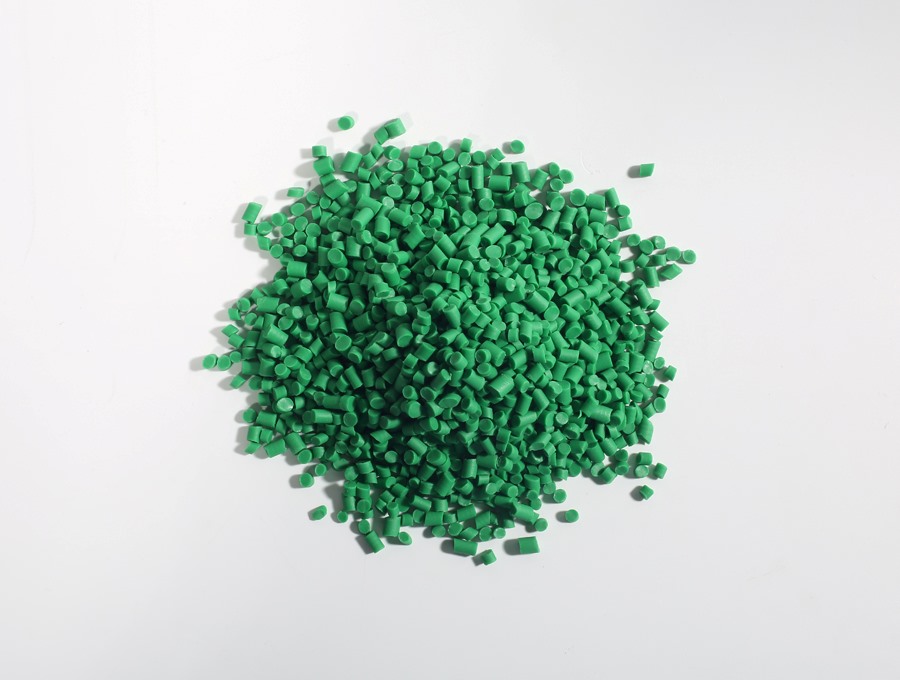
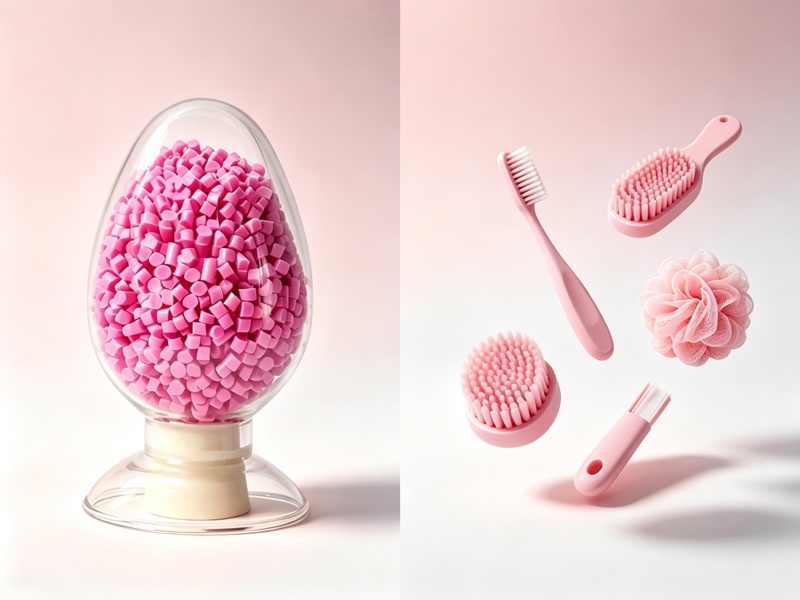
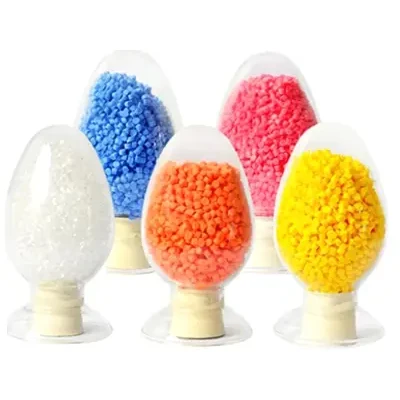
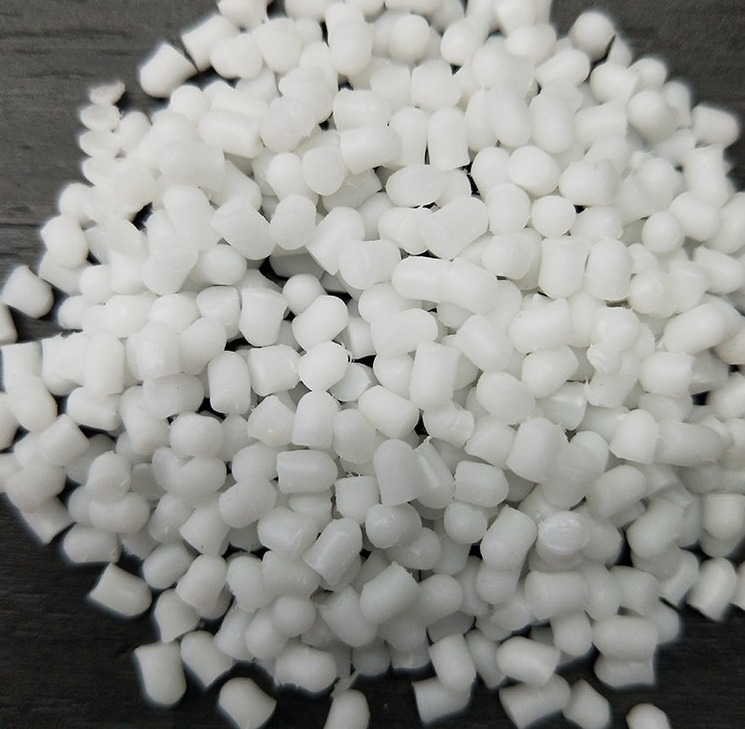
Zhongsu wang’s SBS/SEBS based TPR injection molding materials are specially formulated for injection processes. With excellent melt stability and superior flowability, the pellets fill mold cavities evenly. They support easy demolding, and help manufacturers obtain burr-free, non-stick mold and flow mark-free finished parts under standard molding conditions.

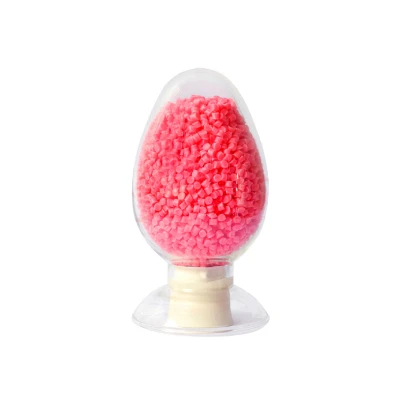
TPR Injection Molding Materials

Core Advantages of Our TPR Injection Molding Materials

1. Custom injection molding formulations deliver outstanding fluidity and fast filling performance. The material flows uniformly inside the mold, eliminating flow marks and surface streaks. It features good release property to prevent mold sticking and flash generation.
2. Consistent melt performance guarantees stable molding quality batch by batch. It greatly reduces defect rates and improves overall production efficiency.

3. Compatible with single injection, two-color injection and secondary overmolding processes. It can run smoothly on fully automatic injection machines for mass manufacturing.

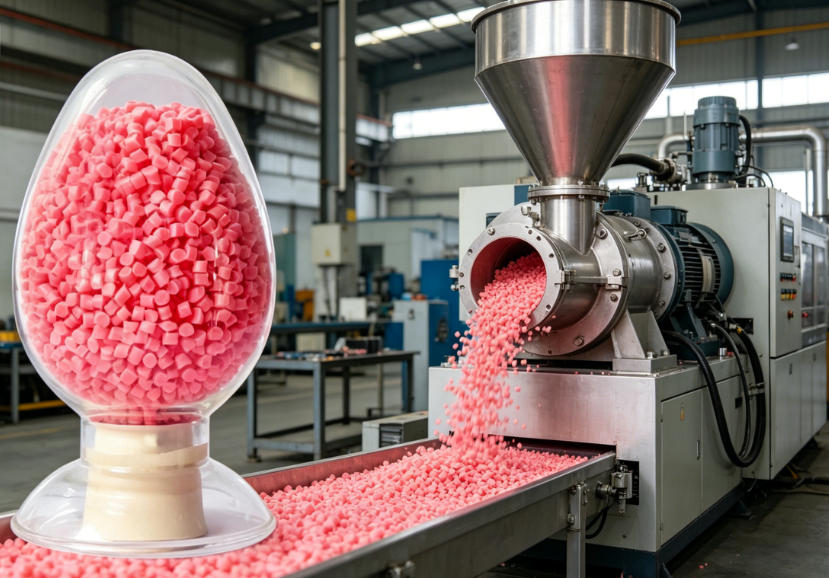
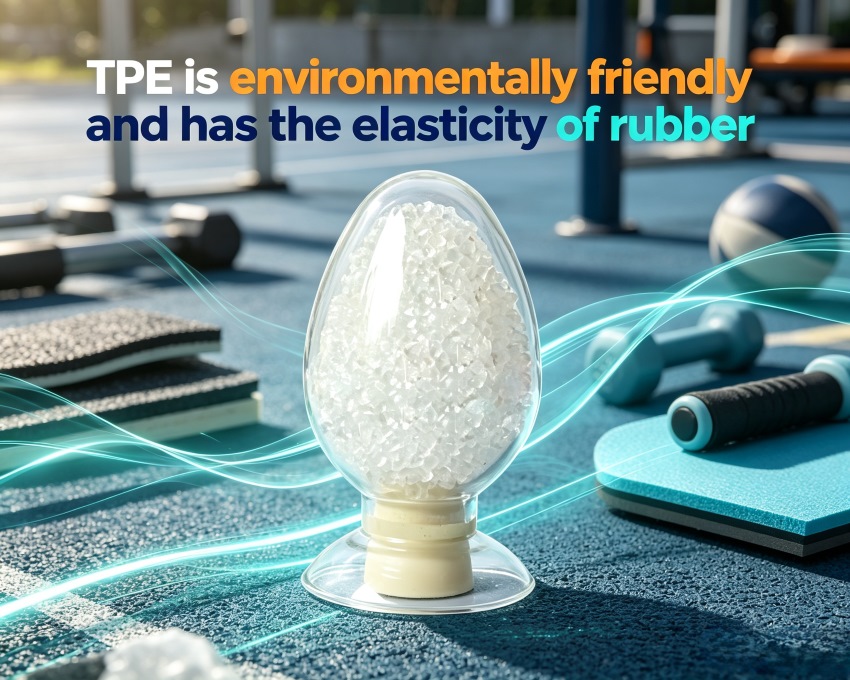
TPR Injection Molding Materials

Product Technical Specifications

Item Parameter
Base Material SBS/SEBS-based TPR
Hardness Shore A 5–90, customizable
Processing Temperature 170–220°C
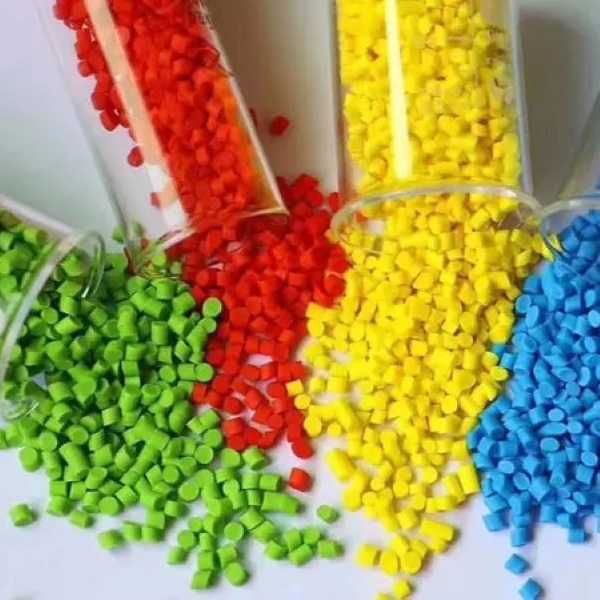
Key Properties High flow, high resilience, wear-resistant, slip-resistant, easy to color, eco-friendly and non-toxic
Available Processes Injection molding, two-color injection molding, secondary overmolding

The series covers multiple grades from TC-10AN to TC-100AN, with adjustable specific gravity, melt index, tensile strength and elongation. The service temperature ranges from -40°C to 80°C depending on grades. The typical molding shrinkage rate (portrait average) is 1.2%–1.8%, with hardness tolerance +3A. The finished surface can be matte or low-gloss as required.

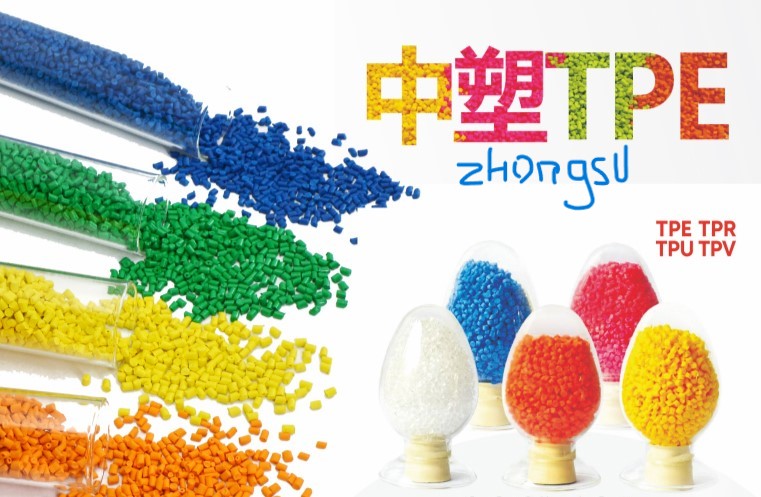
TPR Injection Molding Materials

Typical Application Scenarios

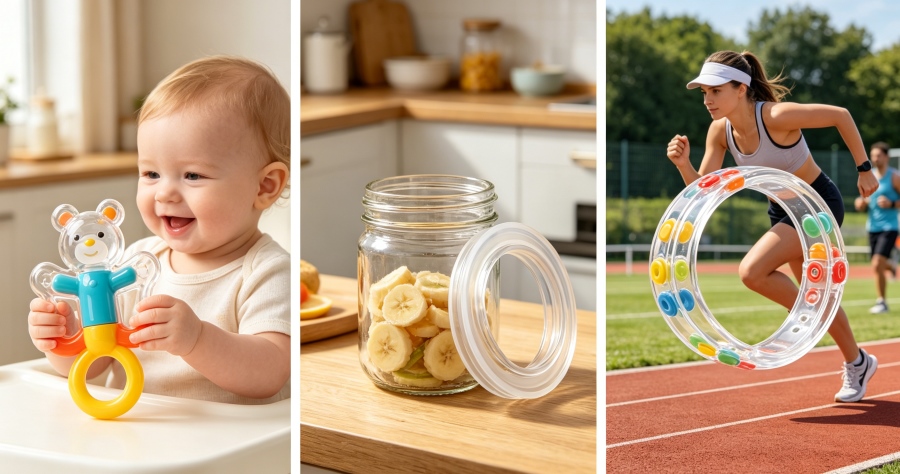
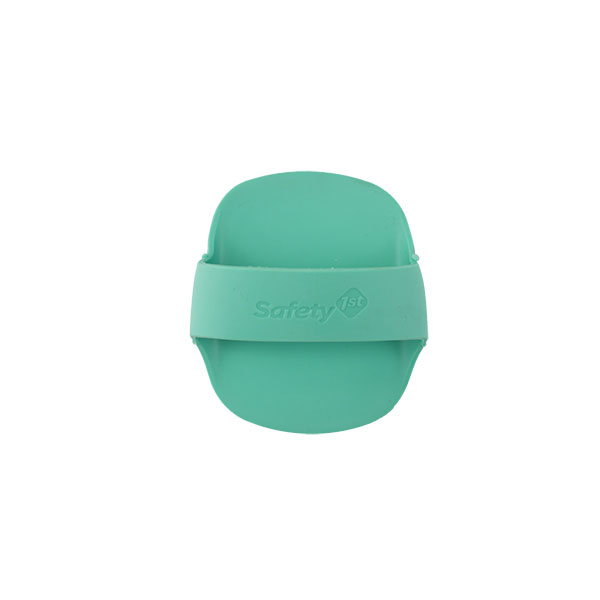
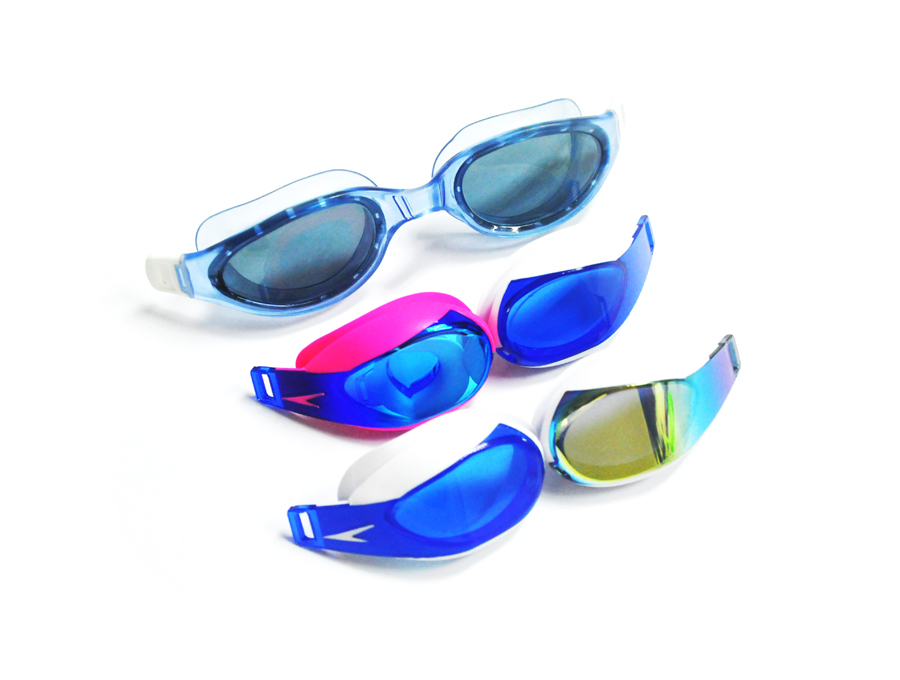
This TPR material is widely used for toy figurines, tool handles, toothbrush grips, electronic overmolding parts, anti-slip mats, seals, watch straps, shoe soles and soft rubber stationery. It serves as a cost-effective alternative to PVC, latex and some silicone materials with simpler processing steps.

It can be overmolded onto common engineering plastics including PP, ABS, PC, PA and nylon. Matching TPR grades shall be selected to secure strong bonding and avoid peeling.

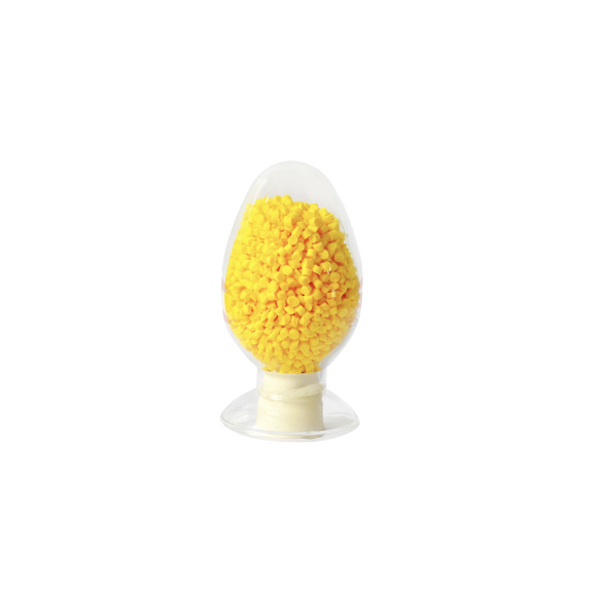
TPR Injection Molding Materials

Frequently Asked Questions

Q: Can TPR hardness be customized? 

A: Yes, we can adjust hardness to meet diverse product requirements.

Q: Does this TPR comply with environmental regulations? 

A: Our TPR injection molding materials meet RoHS and REACH standards. They are halogen-free, odorless and plasticizer-free, suitable for toys, daily necessities and food-contact products.

Q: Can I get free samples for mold testing? 

A: Free samples are available for mold trials. Custom color and performance adjustment are supported.

Q: What is your lead time for bulk orders? 

A: We own 20 production lines and can customize TPE & TPR materials. Normally the lead time for one 40ft container is about 5 working days.

Related News
Leave me a message
在线客服系统
X
We use cookies to offer you a better browsing experience, analyze site traffic and personalize content. By using this site, you agree to our use of cookies. Privacy Policy
RejectAccept