News

How to Choose High-Transparency TPR Materials: Light Transmittance vs. Haze

2026-11-19 0 Leave me a message

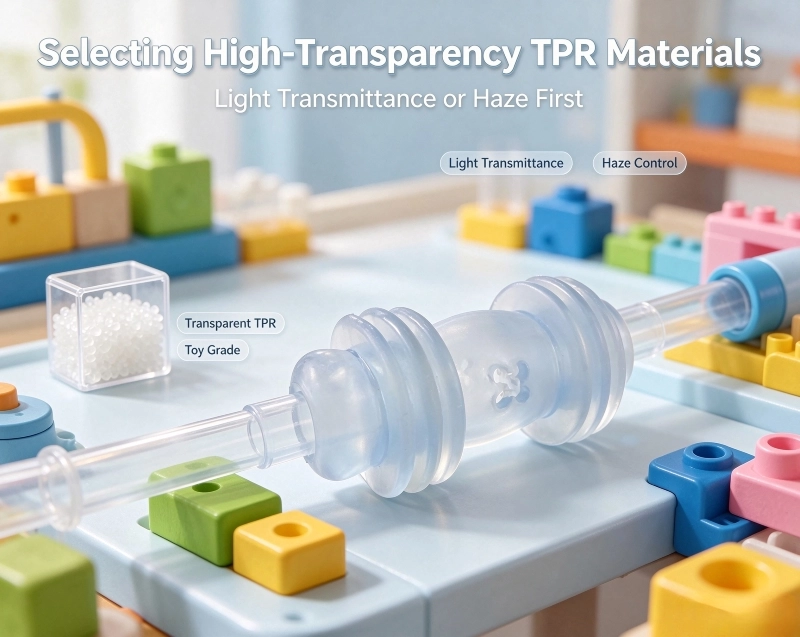
When selecting high-transparency TPR materials, light transmittance and haze are two specifications that are often mentioned together. Many procurement professionals and engineers habitually check light transmittance first, assuming that a higher value indicates greater transparency. However, in actual finished products, materials with high light transmittance do not necessarily appear clear and transparent. Haze is the key factor that determines the “sense of transparency.” Therefore, it is important to clarify how to evaluate these two factors, and which one to consider first, during the selection process.


What do light transmittance and haze measure, respectively?

Light transmittance reflects the amount of visible light that passes through the material. A high value indicates a large luminous flux and strong overall light transmission capability. Haze measures the proportion of light scattered as it passes through the material. The lower the haze, the more concentrated the light, and the clearer the material appears to the naked eye. High haze means that light is scattered within the material by microscopic inhomogeneities, impurities, or surface defects, resulting in a visually cloudy or hazy appearance.


This leads to a common scenario. Two high-transparency TPR resins may both have light transmittance between 88% and 90%, but one has low haze, resulting in a clear, see-through molded part, while the other has higher haze, making the finished product appear as if covered by a layer of white gauze. Light transmittance is the foundation, but haze is the key dividing line for transparency.


Why is it recommended to check haze first?

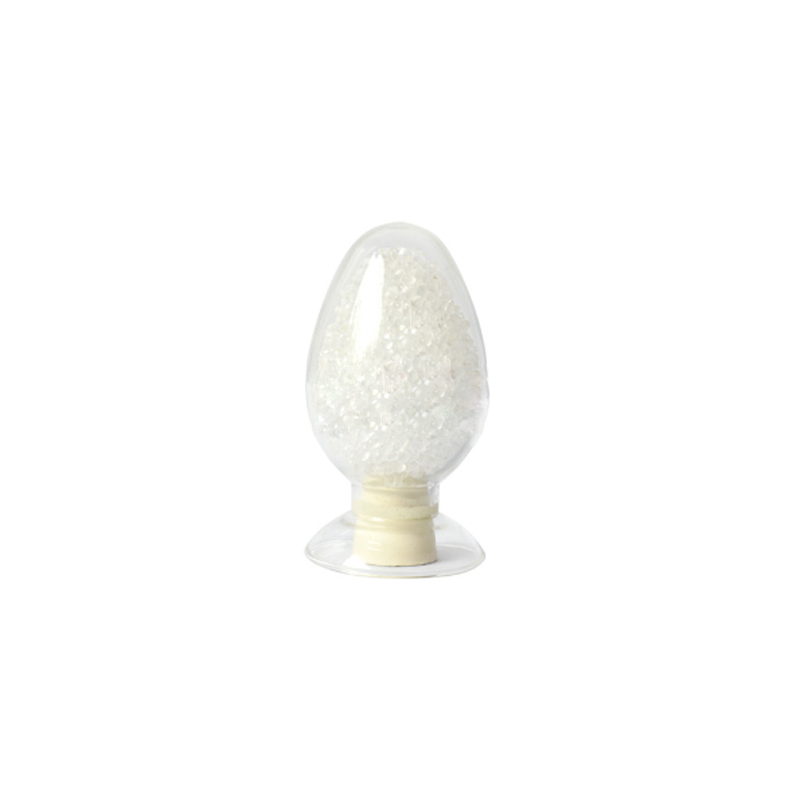
High-transparency TPR materials typically use SEBS as the base material, combined with white oil and compatibilizers matched for refractive index, to ensure the components are as uniformly distributed as possible at the microscopic level and to minimize light scattering. If there are significant differences in the refractive indices of the components in the formulation, or if they are unevenly dispersed, light will continuously scatter within the material, causing the haze to increase. In such cases, the light transmittance may still be relatively high, but the visual “sense of transparency” is already compromised.


For transparent light-guiding components, transparent watch straps, transparent packaging, and display accessories, high haze directly affects the product’s perceived quality and can make the light-guiding effect appear dull. Therefore, when selecting high-transparency TPR materials, haze is a metric that more closely reflects the final visual appearance. It is more reliable to first confirm that the haze is within an acceptable range and then assess the material’s clarity in conjunction with light transmittance, rather than relying solely on light transmittance.


How should comparisons be made during the actual selection process?

It is recommended to compare candidate high-transparency TPR materials under identical thickness and injection molding conditions. First, examine the haze value, then the light transmittance, while also paying attention to yellowness and hue. ASTM D1003 is a common testing standard. The lower the haze and the higher the light transmittance, the better the transparency. If the product is intended for long-term use or will undergo aging, include an additional test for haze change after aging to prevent the material from appearing clear upon production but becoming hazy and yellowed over time.


Furthermore, the injection molding process significantly affects haze. Low barrel temperatures, insufficient plasticization, or inadequate mold surface finish can all cause the haze of high-transparency TPR materials to increase. When selecting materials, review the material data alongside actual test samples. This provides a more accurate representation of mass production performance than simply comparing values on the Technical Data Sheet.


The Zhongsu Wang team has summarized this for you in one sentence:

In summary, when selecting high-transparency TPR materials, haze determines clarity, and light transmittance determines brightness. Ensure clarity first, then address brightness. By using haze as the primary screening criterion and combining it with light transmittance, yellowness, and aging performance for a comprehensive evaluation, the transparency of high-transparency TPR materials will be more easily stabilized during mass production.


Related News
Leave me a message
在线客服系统
X
We use cookies to offer you a better browsing experience, analyze site traffic and personalize content. By using this site, you agree to our use of cookies. Privacy Policy
RejectAccept