News

Choosing TPE for New Energy Soft Rubber Components: Four Typical Application Scenarios

2026-10-20 0 Leave me a message

New energy equipment is often installed in locations that are not easily accessible for maintenance. Charging stations are set up along roadsides, energy storage cabinets are placed in open fields, and photovoltaic modules are installed on rooftops. Once put into service, they must operate continuously for many years while exposed to the elements. TPE products are widely used in these devices for sealing, cushioning, insulation, and protection, combining elasticity, weather resistance, and processability.


Charging Stations: Cable Sheaths and Charging Gun Seals

Charging cables are repeatedly plugged in and pulled out, dragged, and run over every day, while also being exposed to UV radiation. Conventional elastomers begin to harden and crack after just a few summers. Once the sheath is damaged, the internal insulation layer loses its protection. By incorporating light stabilizers and antioxidant systems into the TPE formulation, molecular chain breakage is delayed while flexibility is maintained, preventing the cable from becoming brittle at low temperatures. The connector seal utilizes TPE's resilience to maintain a tight fit during temperature fluctuations, reducing the ingress of moisture and dust into the interface.


Energy Storage Equipment: Cabinet Sealing and Low-Temperature Cushioning

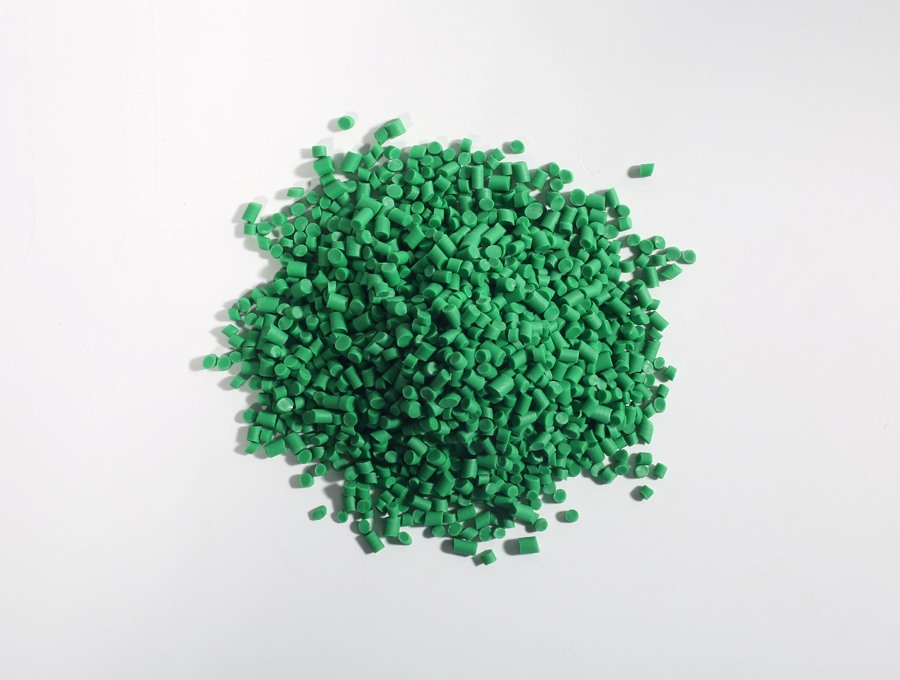
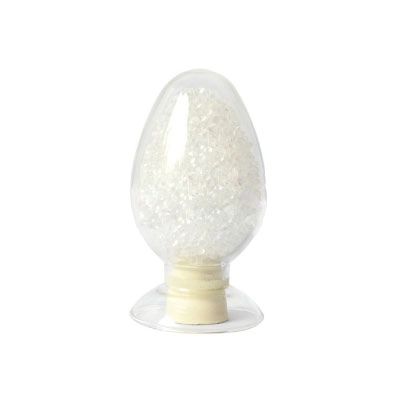
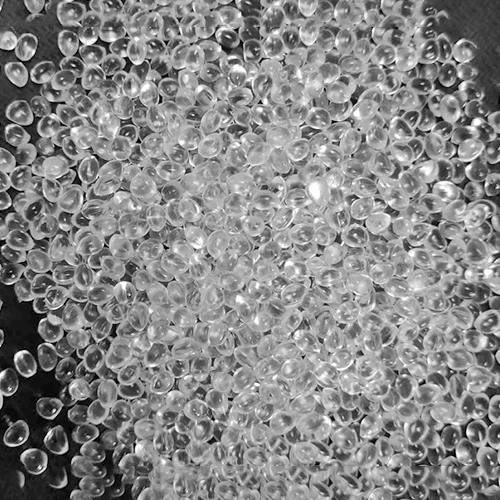
Sealing and cushioning components for outdoor energy storage cabinets and portable power stations must meet high standards for hydrolysis resistance and low-temperature performance. Temperature fluctuations inside energy storage cabinets are more extreme than outside, so the sealing strips along the cabinet edges must retain their shape and elasticity. TPE remains flexible even at temperatures around -40°C, making it suitable for outdoor equipment in northern winters. Cable exit sleeves and handle cushioning pads are often made from extrusion-grade TPE pellets, which are continuously extruded into long profiles before being cut to size and assembled.


Photovoltaic Modules: Junction Box Seals and Frame Protection

Solar equipment is exposed year-round to UV radiation and alternating temperature cycles, so junction box seals, frame protection strips, and structural cushioning components must remain stable over the long term. TPE products in these applications are typically tested under outdoor exposure conditions to verify weather resistance, rather than relying solely on laboratory accelerated aging data.


New Energy Vehicles: Exterior Seals and Soft-Touch Interior Trim

Roof drainage strips and exterior trim seals must withstand outdoor exposure while maintaining a secure overmolded bond with substrates such as PP. TPE materials can be adjusted to suit different substrates and hardness requirements while maintaining low-temperature flexibility and weather resistance. For interior applications, soft-touch surfaces on instrument panels, center consoles, and door trim panels are increasingly utilizing low-emission, light-transmissive TPE materials that support ambient lighting and backlighting designs.


What Criteria Should Be Considered During Material Selection?


A UV-resistant system and the availability of performance retention data following xenon lamp or QUV aging testing are fundamental to assessing weather resistance. For low-temperature performance, it is essential to verify whether the material retains its elasticity at the lower limit of the target operating temperature range. When overmolding PP or other rigid plastics, bond strength must be validated in advance. Long-term hydrolysis resistance must also not be overlooked.


Summary

The value of TPE products in new energy equipment lies in their ability to integrate elasticity, sealing performance, weather resistance, and processability. Zhongsu Wang TPE materials draw on years of formulation expertise in the new energy equipment sector, covering applications such as charging station cable jackets, energy storage seals, photovoltaic junction box seals, and interior and exterior trim components for new energy vehicles. Formulations can be adapted to specific operating conditions, and we provide support for sample validation and mass production debugging.


Related News
Leave me a message
在线客服系统
X
We use cookies to offer you a better browsing experience, analyze site traffic and personalize content. By using this site, you agree to our use of cookies. Privacy Policy
RejectAccept