News

Overmolded Parts Peeling Apart? Is TPR Pellet Quality to Blame?

2026-09-14 0 Leave me a message

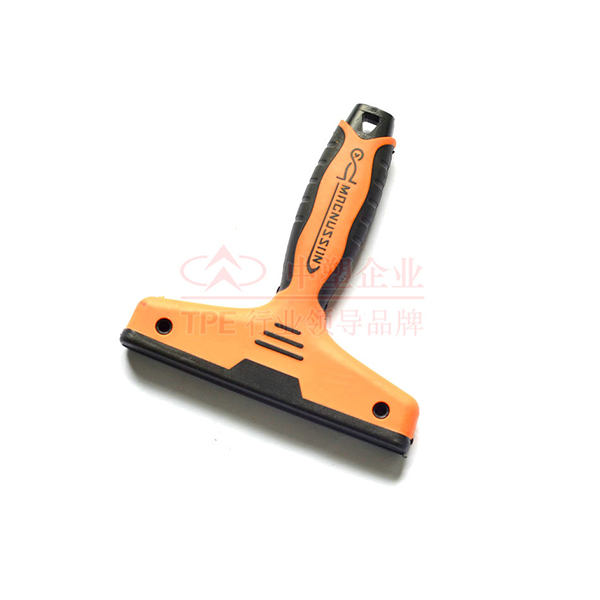
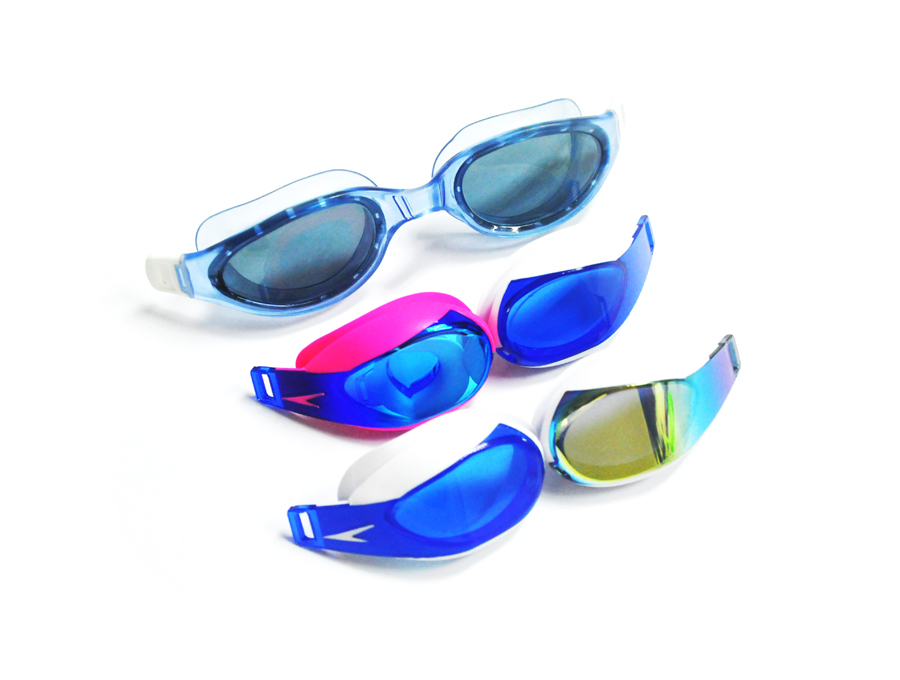
Overmolded parts may appear flawless when they come out of the mold, but their edges may peel apart at the slightest touch, or delamination may occur at the interface after being left for a period of time. Such situations are not uncommon in overmolding production. When delamination occurs, many people's first instinct is to suspect a problem with the TPR pellets, but the actual situation is often more complex. Delamination is essentially caused by insufficient interfacial adhesion, resulting from the combined effects of material selection, mold design, process parameters, and the surface condition of the substrate. The quality of the TPR pellets is only one factor among many.


Potential Impacts of TPR Pellet Quality


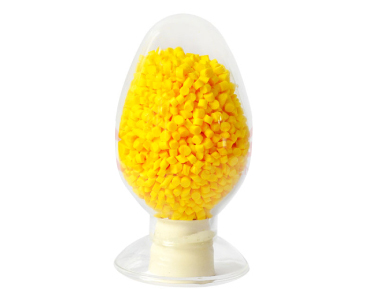
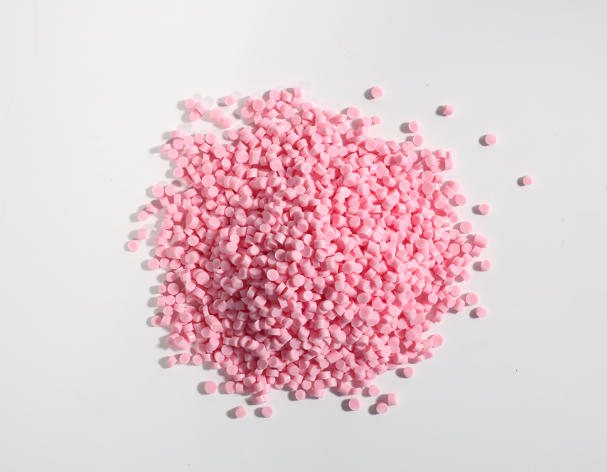
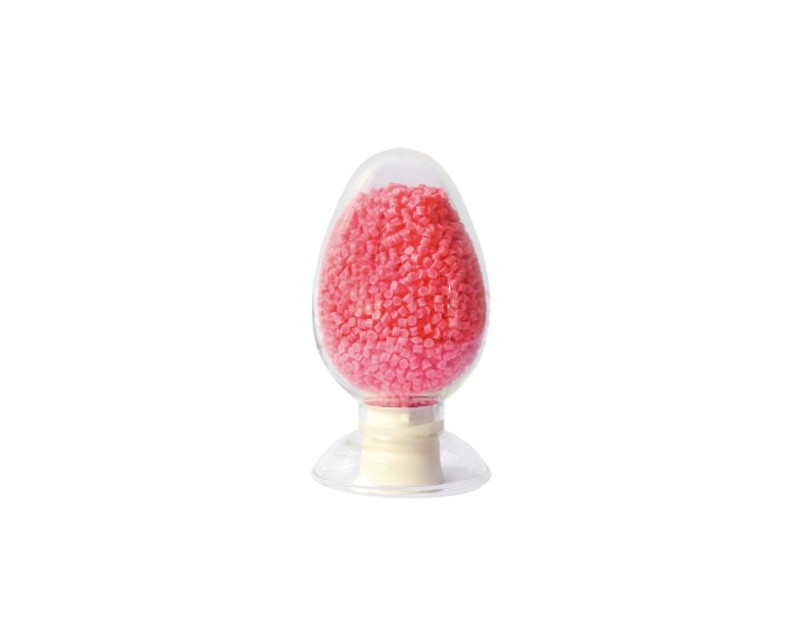
TPR is a blended material. If the compatibility between its components is insufficient, the phase structure formed during plastification will be unstable, potentially leading to phase separation during the injection molding flow process. In overmolding applications, if the TPR pellet formulation lacks polar components or compatibilizers that match the substrate, interfacial adhesion will be insufficient at the material level. Furthermore, TPR pellets with low tensile strength or tear resistance may cause the overmolded layer to crack or peel off when subjected to stress. Even if the interfacial adhesion itself is normal, the overall performance will still be unsatisfactory.


Issues Arising from Factors Beyond the TPR Pellets


Even if the TPR pellets meet quality requirements, delamination may still be caused by other factors. Residual oil, release agents, or moisture on the substrate surface can hinder the effective wetting and penetration of the TPR melt onto the substrate. When the injection molding temperature is too low, the TPR pellets are not sufficiently plastified, resulting in insufficient heat at the interface to form a mutually soluble layer, which reduces the bond strength. If the gate size is too small or the injection speed is too high, high shear rates will occur near the gate, triggering phase separation and delamination. Poor mold venting can trap air at the interface, forming a barrier layer that similarly leads to localized delamination.


How to Determine Whether the Issue Is Related to TPR Pellets


A practical approach is to conduct a series of comparative tests. Using the same mold and process parameters, test different batches of TPR pellets separately. If delamination significantly improves or disappears after changing the material, this indicates that the quality or batch consistency of the TPR pellets is a contributing factor. If the issue persists after changing the material, the cause is more likely related to substrate cleanliness, injection molding temperature, gate design, or the venting process.


Guidelines for Material Selection


If the quality of the TPR pellets is confirmed to be the primary cause, prioritize selecting specialized overmolding-grade TPR pellets that are explicitly labeled as compatible with the corresponding substrate, such as grades for PP, ABS, or PC overmolding, rather than general-purpose grades. You can request peel test data or application case studies from the supplier for reference. Zhongsu Wang offers formulation solutions for TPR overmolding materials tailored to different substrates. These can help confirm material-substrate compatibility during the selection phase, reducing the risk of delamination caused by material mismatches.


Related News
Leave me a message
在线客服系统
X
We use cookies to offer you a better browsing experience, analyze site traffic and personalize content. By using this site, you agree to our use of cookies.Privacy Policy
RejectAccept