News

Which TPE Raw Material Should You Trust? Zhongsu Wang Delivers Answers With Solid Strength

2026-10-12 0 Leave me a message

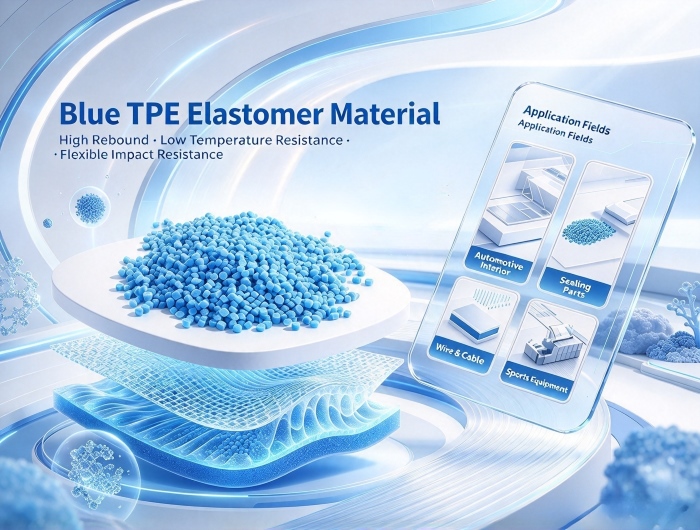
As product iterations accelerate, material selection has an increasingly direct impact on end products. From traditional vulcanized rubber to PVC, and now to TPE raw materials, every shift reflects the manufacturing industry’s reevaluation of performance, environmental sustainability, and cost. When discussing whether TPE materials are worth recommending, the focus is not on a specific polymer alone, but on a material solution that balances elasticity, processing efficiency, and compliance.


What is the underlying value of TPE materials?

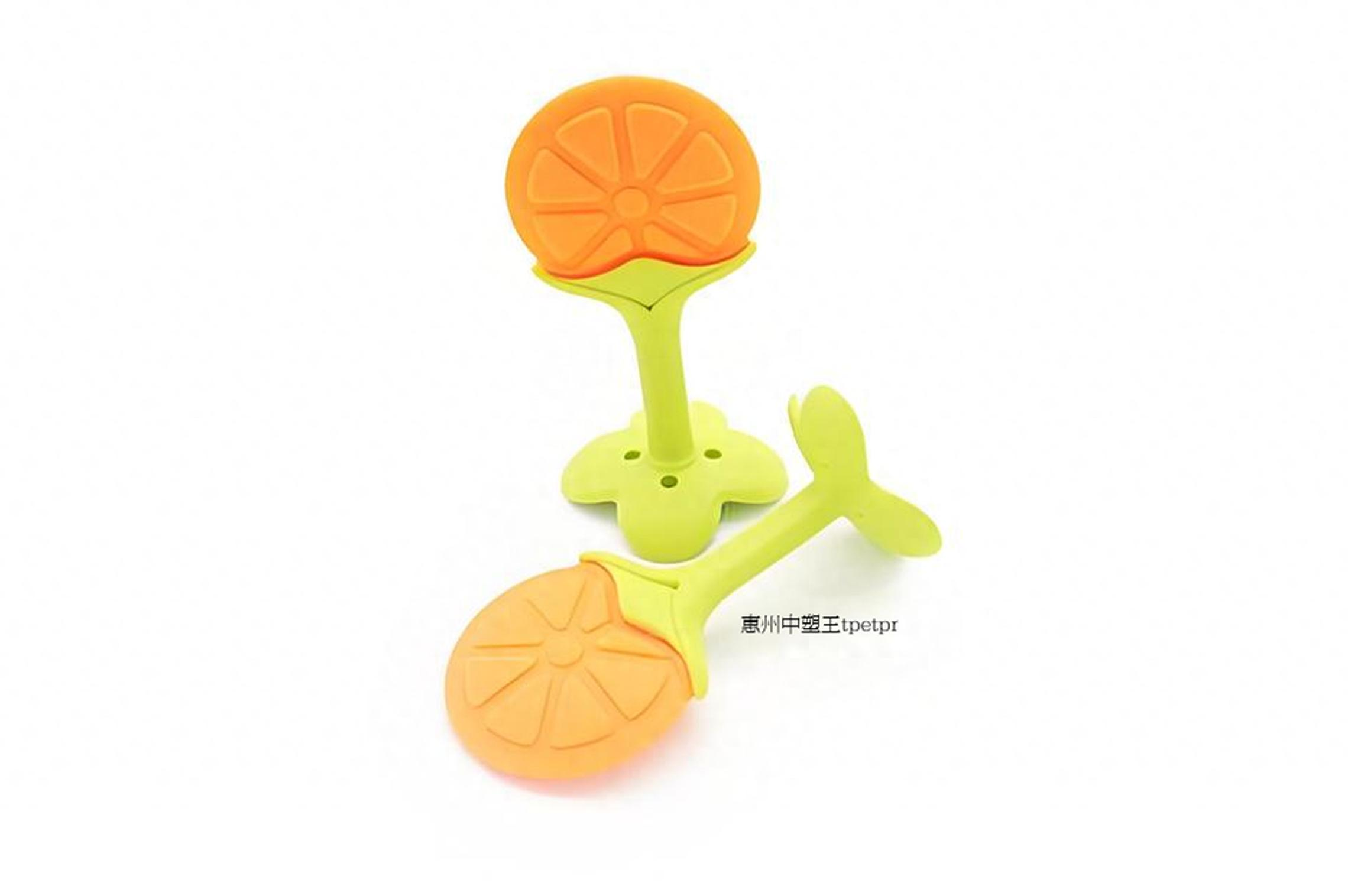
TPE breaks down the processing barriers between rubber and plastic. It offers the high elasticity and comfortable tactile feel of vulcanized rubber, meeting requirements for slip resistance, sealing, and shock absorption. At the same time, it does not require a complex vulcanization process and can be directly molded using conventional injection molding machines and extruders, shortening production cycles.

TPE scrap and sprues can be recycled and reused, and its formulations do not contain restricted substances such as phthalate plasticizers, making it well aligned with global environmental compliance trends. These characteristics form the basis for recommending TPE raw materials.


Where is the dividing line between usable and effective?

Not all TPE materials are worth recommending. TPE is a customized formulation material rather than a generic, off-the-shelf product. The key lies in two dimensions: formulation customization capability and batch-to-batch consistency.

Suppliers lacking R&D expertise typically offer only generic grades and often struggle with complex requirements such as dual-material overmolding or ultra-soft tactile feel. If the melt index or hardness fluctuates between batches, defects such as shrinkage and flash may occur, and the cost of trial and error may exceed the price difference of the material itself. Only suppliers with formulation adjustment capabilities and a quality control system can realize the value of TPE materials.


Zhongsu Wang TPE’s practical approach


Zhongsu Wang TPE has focused on fundamental material R&D and quality control rather than low-price competition. Its team of experienced polymer engineers can formulate materials based on specific customer applications, from hardness and transparency to physical property specifications, and rapidly produce prototypes.

In quality control, the company has introduced automated production lines and testing equipment, using data-driven monitoring to ensure batch consistency and reduce production line fluctuations caused by material changes. The technical team also works closely with production lines, providing support from material selection and evaluation to mold testing.


Continuous expansion of production capacity

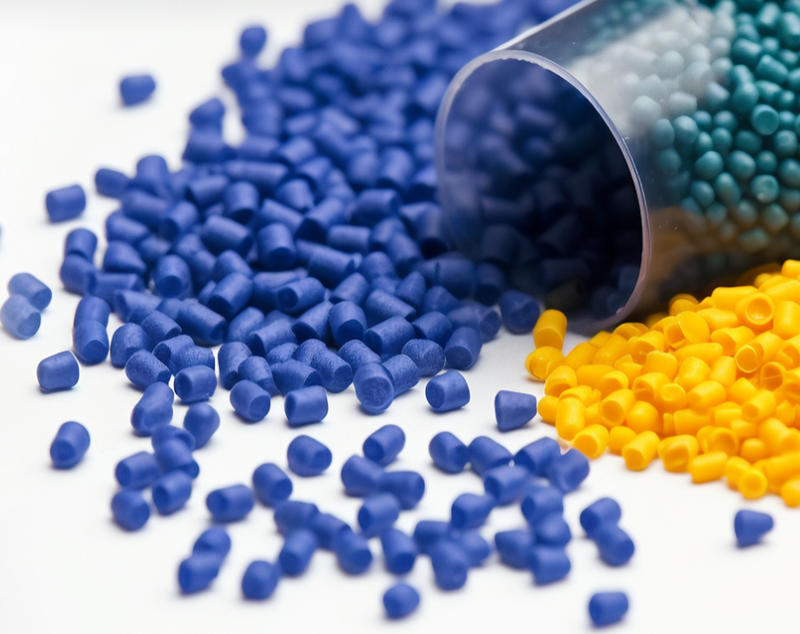
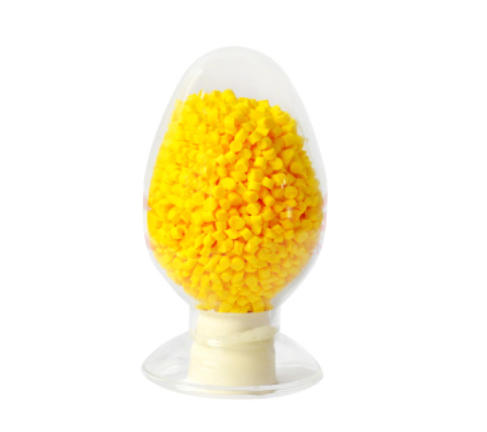
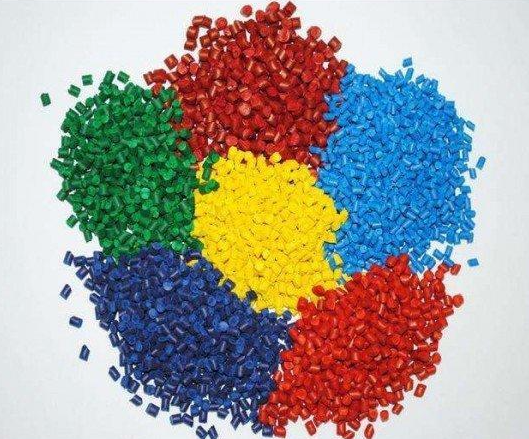
Zhongsu Wang TPE has been steadily advancing its production base layout. In September 2025, the company signed a contract and took delivery of its self-built facility in Shengzhou, Zhejiang, marking its strategic foothold in the Yangtze River Delta region. In 2026, the first production line at the Shengzhou plant began operations. The initial batch of TPE/TPR pellets met the company’s standards for key metrics, including smoothness to the touch, resilience, and weather resistance.

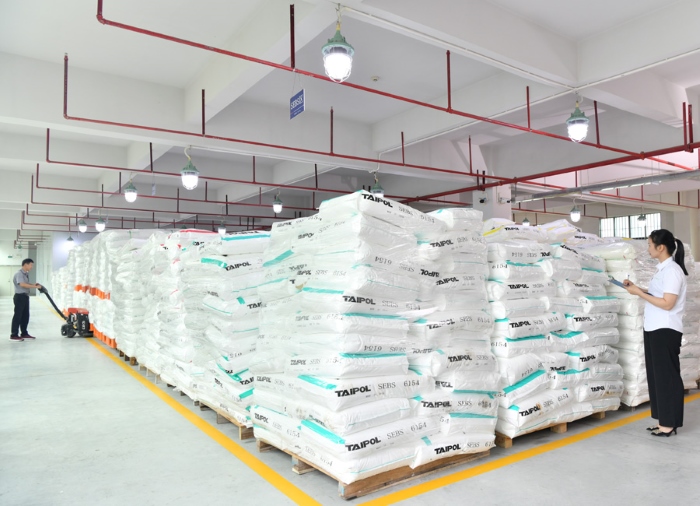
The Shengzhou plant has enabled Zhongsu Wang TPE to establish a dual-core production model with Shenzhen and Huizhou in the south, and Zhejiang in the east. This multi-site layout shortens the supply radius for customers in East China, improves logistics efficiency, and provides greater flexibility for fulfilling orders during peak seasons.


A TPE material worth recommending must demonstrate consistent performance in environmental compliance and processing efficiency, and stand up to production line testing in terms of formulation customization and batch consistency. Choosing a source manufacturer like Zhongsu Wang TPE, with a track record in R&D, production capacity, and service, helps manufacturing companies support stable production and product upgrades.


Related News
Leave me a message
在线客服系统
X
We use cookies to offer you a better browsing experience, analyze site traffic and personalize content. By using this site, you agree to our use of cookies. Privacy Policy
RejectAccept