News

Why Does TPE Age? A Technical Breakdown of Polymer Degradation

2026-07-24 0 Leave me a message

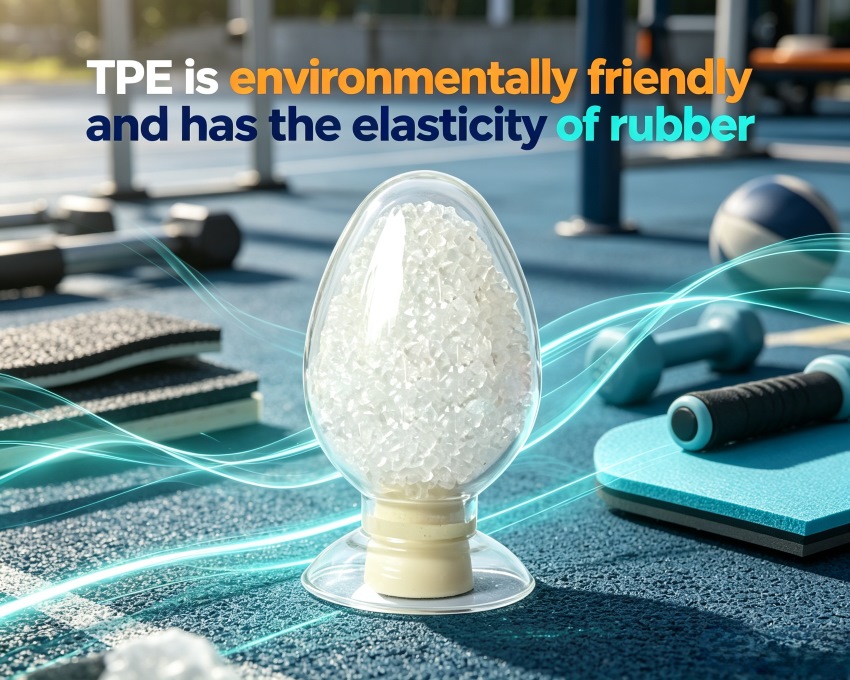
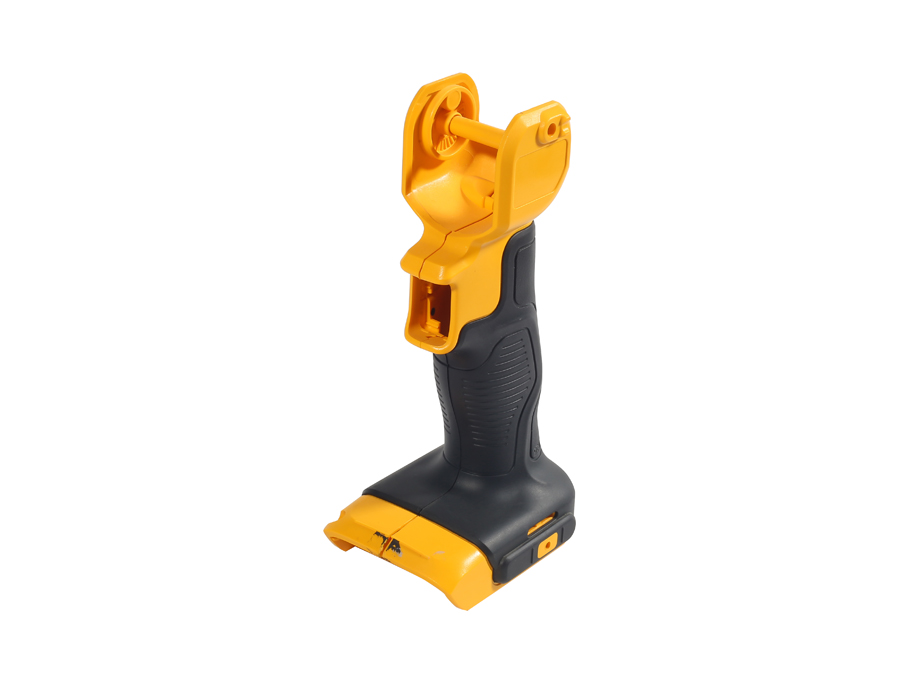
Thermoplastic elastomers (TPEs) are increasingly used in outdoor sports equipment. Products such as bicycle handlebar grips, pull tubes, and diving goggles all benefit from their eco-friendly, soft, and highly resilient properties. However, after prolonged use, issues such as a sticky surface, hardening, fading, and even cracking often occur—this is due to material aging.

Why does aging occur? This can be examined from two perspectives.

From an observational standpoint, TPE products are continuously exposed to heat, oxygen, ultraviolet (UV) radiation, moisture, and chemical agents in the environment during processing and use. The combined effect of these external factors gradually alters the material’s chemical composition and structure, leading to a corresponding degradation of its physical properties. Hardening, stickiness, brittleness, loss of strength, and yellowing are all typical manifestations of aging.

From a mechanistic perspective, the aging of TPE materials is essentially a process of polymer chain structure breakdown. Under the influence of heat or light, molecular chains absorb energy and enter an excited state. When the energy exceeds the breaking point of chemical bonds, chain segments break, generating free radicals. Once formed, these free radicals trigger chain reactions within the material, continuously driving the degradation or cross-linking of molecular chains. If oxygen or ozone is also present, the situation becomes more complex. Oxidation reactions produce hydrogen peroxides, which further decompose into oxygen-containing products such as carbonyl groups, leading to a corresponding decline in the material’s mechanical properties. Additionally, residual catalyst metal ions from the production process, or trace metals such as copper, iron, and manganese introduced during processing and use, can significantly accelerate the rate of oxidative degradation, causing the material to age more rapidly.

In summary, understanding these causes allows for targeted countermeasures to be implemented during the formulation design stage. By incorporating a system of additives such as antioxidants and light stabilizers, free radicals can be effectively scavenged and oxidative chain reactions suppressed, enabling the material to maintain stable performance for a longer period under outdoor conditions. This also means that, even among TPE materials, there will be significant differences in aging resistance depending on the formulation.

In short, for products like outdoor equipment that are continuously exposed to sunlight and rain, factoring aging performance into material selection directly impacts the product’s service life and end-user reputation. Zhongsu Wang TPE materials offer mature formulation solutions for the outdoor equipment sector, striking an optimal balance between elastic tactile feel and weather resistance.


Related News
Leave me a message
在线客服系统
X
We use cookies to offer you a better browsing experience, analyze site traffic and personalize content. By using this site, you agree to our use of cookies.Privacy Policy
RejectAccept