News

Are TPE Granules Suitable for Cable Jackets? Industry Q&A—Answers from TPE Material Manufacturers

2026-05-20 0 Leave me a message

Table of Contents:

  • Are TPE Granules Suitable for Cable Jackets?
  • Advantages of TPE Granules
  • Recommended Cable Applications
  • Applications Not Currently Recommended
  • Key Considerations for Selection

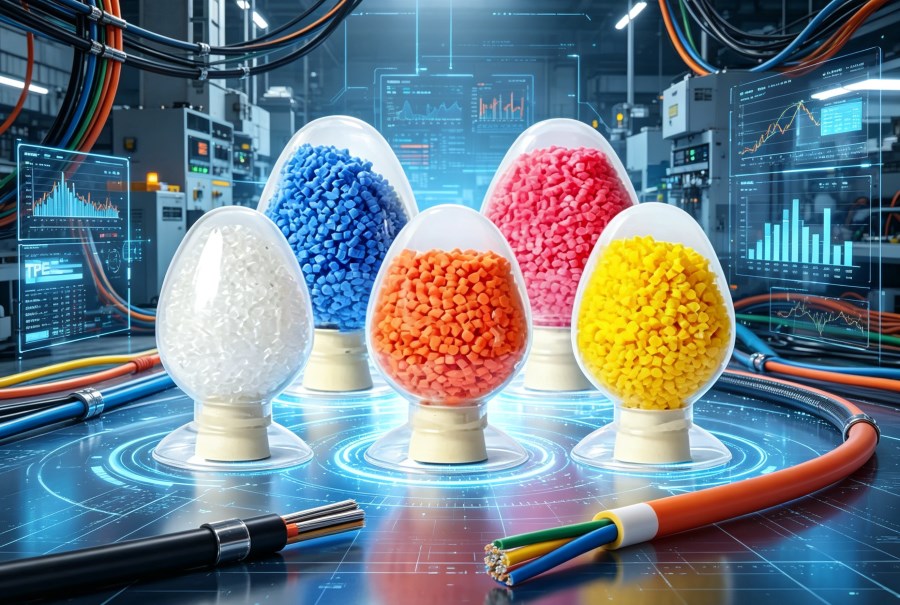
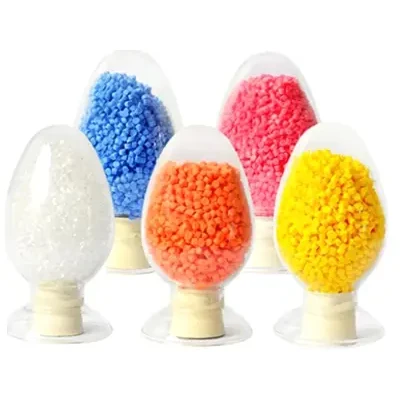
The choice of material for cable jackets largely determines the cable’s durability, safety, and adaptability to various environments. With thermoplastic elastomer (TPE) pellets now on the scene, can they truly shoulder this responsibility?

Zhongsuwang’s answer is that they are suitable under certain conditions. however, TPE granules is not ideal for all cables. Whether it is suitable depends on a careful balance between the usage environment and performance requirements.


I. Advantages of TPE Granules

The inherent properties of TPE granules support their application in cable jackets. In terms of flexibility, they can withstand frequent bending and dragging, helping to reduce the risk of jacket damage. Its environmental performance is equally outstanding. The material is non-toxic and odorless, aligning with green manufacturing trends. It is particularly suitable for scenarios with strict hygiene requirements, such as medical and food applications, helping to alleviate concerns about the leaching of harmful substances. In terms of processing, TPE is well-suited for extrusion molding, offering high continuous production efficiency. Additionally, its hardness and elasticity can be adjusted as needed, facilitating large-scale manufacturing.


II. Suitable Cable Applications

In consumer and general industrial cables—such as home wiring, office equipment connectors, and standard appliance power cords—where weather resistance and flexibility are required but extreme conditions are absent, TPE pellets effectively meet these needs, providing reliable protection for cables while maintaining their bending performance. In dynamic applications involving frequent bending—such as equipment connection cables and handheld device cables—TPE’s elasticity helps prevent flex cracking, thereby extending the service life. In highly eco-friendly scenarios, such as medical device cables and cables for food processing facilities, TPE’s recyclability and non-volatile properties make it the preferred choice. Additionally, TPE has a moderate temperature resistance range, offering stable performance in common low- and medium-temperature environments, making it suitable for indoor and general outdoor use.


III. Scenarios Not Currently Recommended

Under special operating conditions, TPE granules may prove inadequate. In high-temperature environments, such as cables near industrial heating elements, TPE has limited heat resistance, and prolonged exposure to high temperatures can lead to softening and aging. In highly corrosive environments (such as chemical processing plants), TPE’s corrosion resistance falls short of that of specialized corrosion-resistant materials, making it susceptible to erosion and failure. For cables exposed to high pressure or severe abrasion, the abrasion resistance and compression strength of TPE jackets are insufficient to meet stringent requirements, necessitating the use of more durable specialty materials.


IV. Key Considerations for Selection

If you decide to use TPE pellets, there are two key points to note: First, identify the appropriate TPE grade based on the specific application of the cable to ensure that the material properties align with the application scenario. Second, carefully control the processing temperature. The extrusion temperature must be coordinated with the material’s melting characteristics. Excessively high temperatures can lead to discoloration of the jacket and performance degradation, while excessively low temperatures may result in surface irregularities, bubbles, and other defects, affecting the final quality.

Overall, TPE pellets offer a solution for cable jackets that balances user experience with environmental requirements, performing well in standard applications, cables subject to frequent bending, and those with high environmental standards. Selecting the right grade and maintaining strict process control helps achieve an optimal balance between practical value and cost.

Related News
Leave me a message
在线客服系统
X
We use cookies to offer you a better browsing experience, analyze site traffic and personalize content. By using this site, you agree to our use of cookies. Privacy Policy
Reject Accept