News

TPR Raw Materials in Footwear: Key Advantages and Applications

2026-09-28 0 Leave me a message

The footwear industry has always set high standards for materials. A pair of shoes must withstand repeated bending, friction, and impact, while maintaining stability in cold or humid environments. At the same time, consumers are increasingly concerned about comfort and appearance. TPR raw materials are widely adopted in the footwear industry not because of any single outstanding property, but because they strike a practical balance between elasticity, abrasion resistance, processability, and cost.


Why Can It Balance Comfort and Slip Resistance?

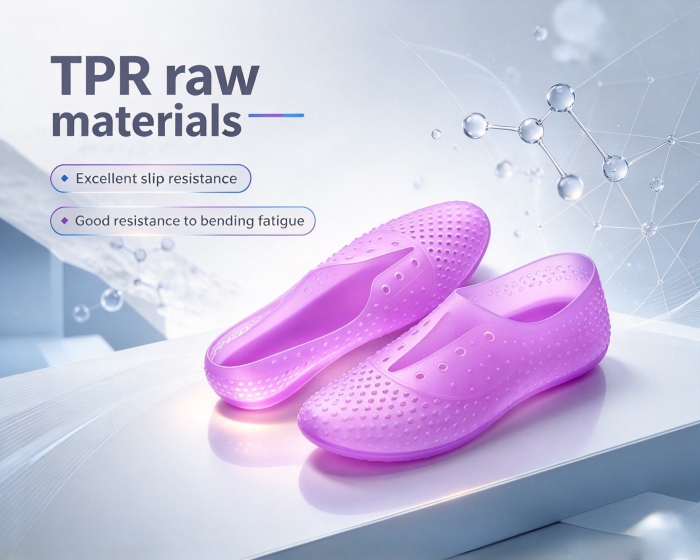
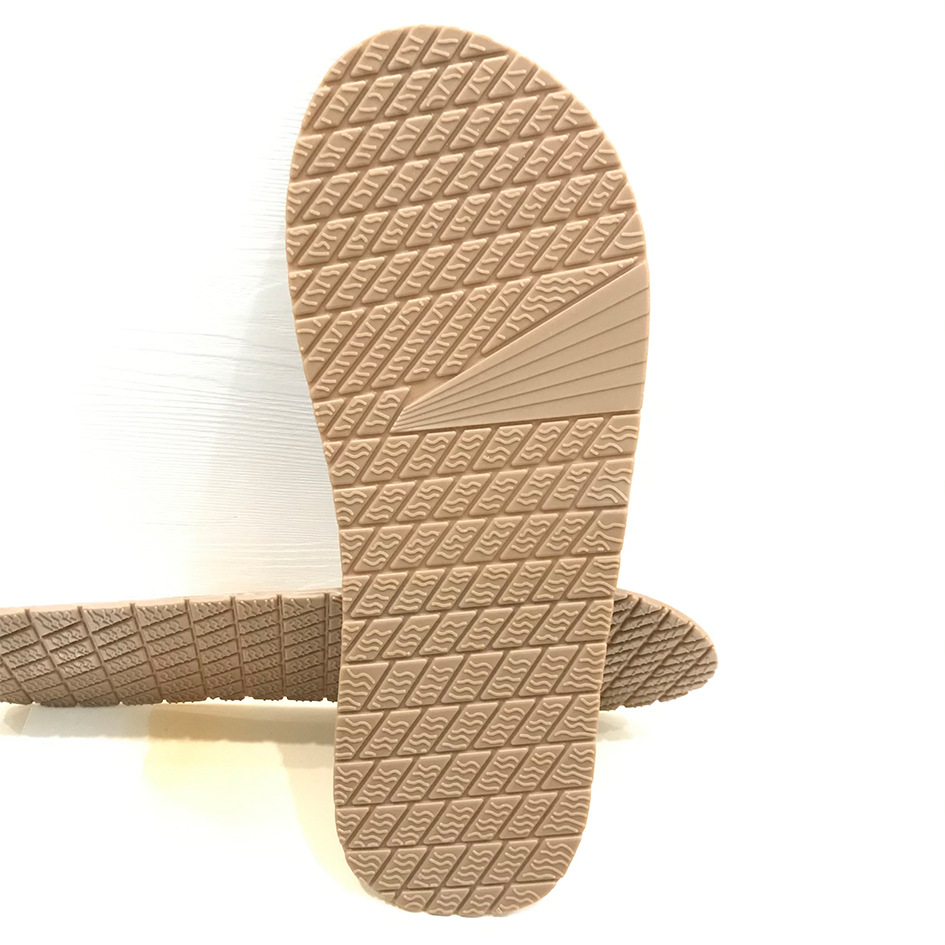
TPR material inherently possesses rubber-like elasticity with moderate rebound, providing a responsive feel underfoot. When used in soles and anti-slip components, its surface provides good grip, ensuring stable traction in both dry and wet conditions. Whether walking daily or going up and down stairs, its slip-resistant performance is reliable without feeling stiff.


Can It Withstand Daily Wear and Tear?

One of the biggest concerns with shoe materials is that soles wear down and edges crack after a period of use. TPR's performance in terms of abrasion resistance and flexural strength meets the durability requirements for daily wear. It resists cracking after repeated bending, and does not harden or become brittle in low temperatures, a practical consideration for outdoor wear during northern winters.


Which Molding Processes Is It Compatible With?

TPR can be processed via injection molding and extrusion, and is also suitable for secondary overmolding. Compared to commonly used footwear materials such as EVA and rubber, its processing workflow is simpler, and scrap material can be recycled and reused. For mass-produced components like soles, shoe labels, and decorative soft rubber parts, injection molding offers good efficiency, dimensional stability, and flexibility in changing colors and styles, making it suitable for the footwear industry's varied production needs.


How much design flexibility is there for appearance?

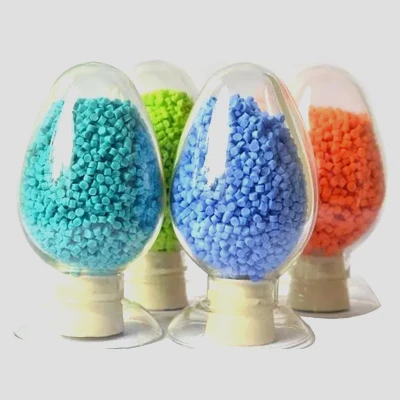
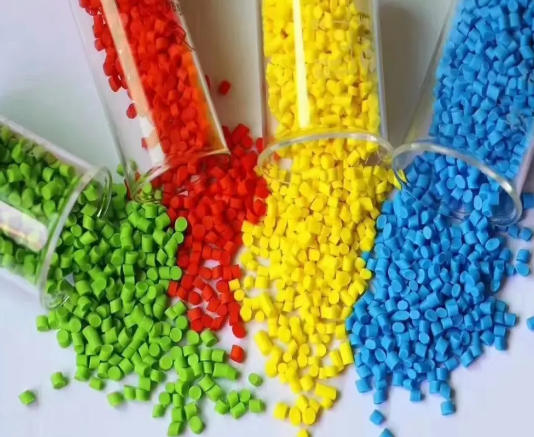
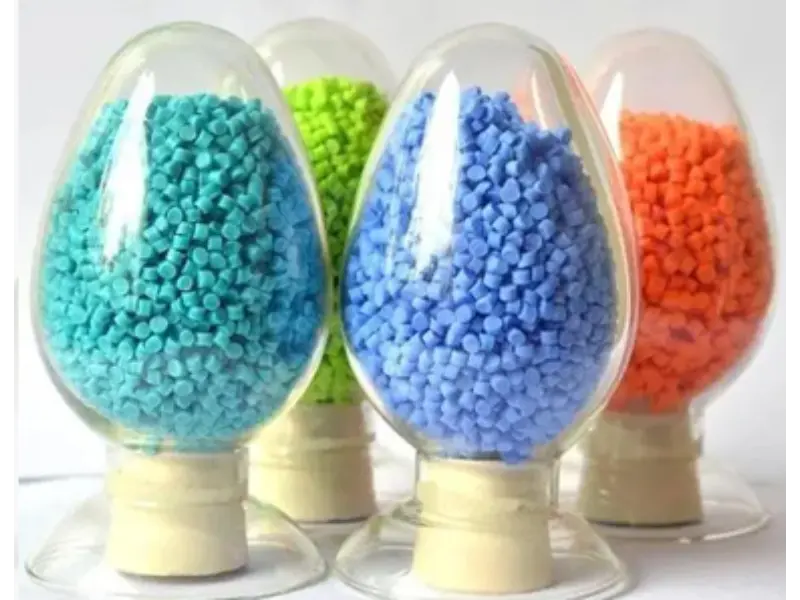
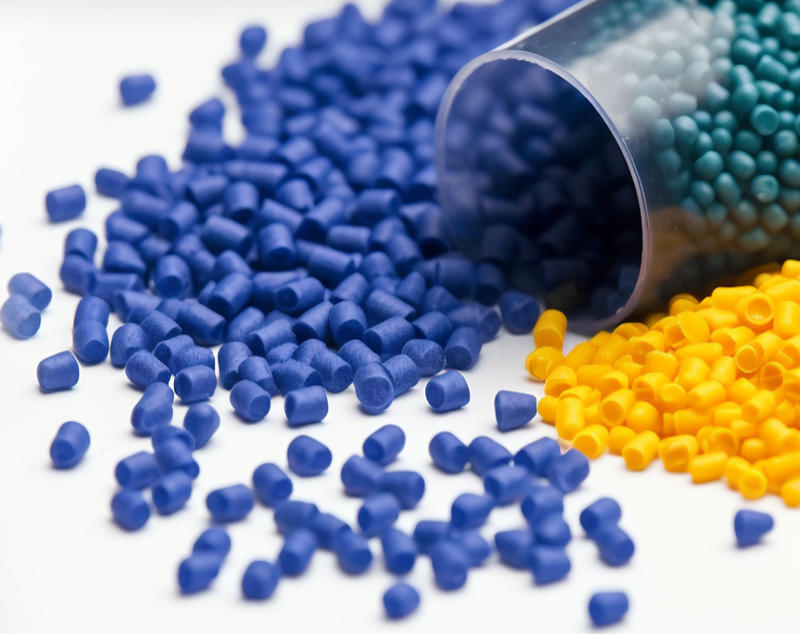
Footwear materials often require a wide range of colors. A single shoe model may need multiple colorways, or even feature color-blocking or contrasting color designs on a single shoe. TPR raw material has good colorability. Color masterbatches disperse evenly, resulting in rich, even colors after molding, and color consistency across batches is relatively stable. Whether it is solid-color soles, two-tone assemblies, or decorative components with textured effects, all can be achieved through a combination of formulation and mold design.


How can lightweight design be balanced with cost?

Compared to traditional rubber soles, TPR has a lower density, making it lighter for the same volume and reducing the burden on the feet when worn. At the same time, energy consumption and material waste during processing are relatively manageable. This makes it a practical choice for brands in the mass market and fast-fashion segments, where balancing performance and cost is important.


In what ways does Zhongsu Wang support TPR for footwear materials?

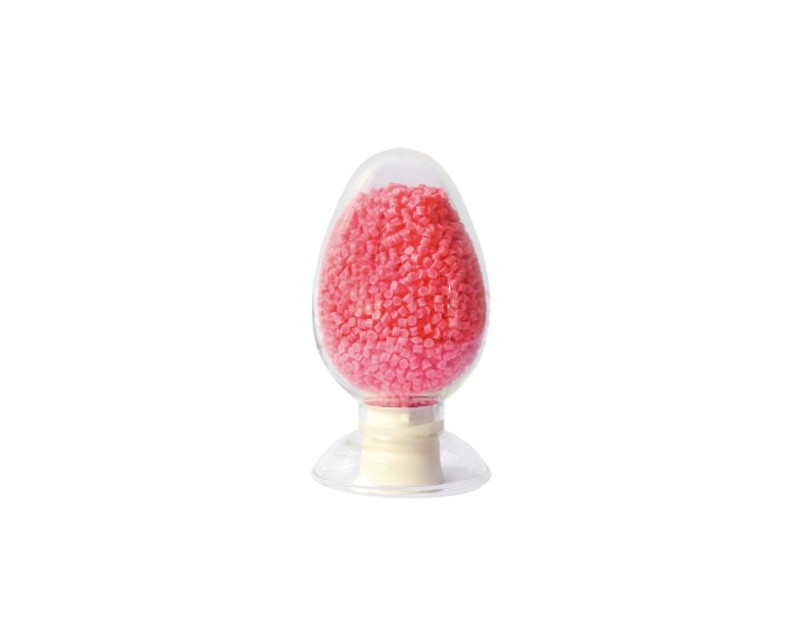
TPR raw materials used in footwear applications place specific demands on batch consistency and color uniformity. Zhongsu Wang TPE has accumulated years of expertise in elastomer modification. Several engineers on the R&D team have over a decade of formulation experience and can tailor hardness, rebound, and abrasion resistance formulations for different components such as soles, shoe labels, and decorative soft rubber parts.

The production facility is equipped with more than 20 twin-screw extrusion and pelletizing lines, with an annual production capacity of 30,000 metric tons, capable of meeting the bulk supply needs of the footwear materials industry.

In terms of quality control, the testing center is equipped with RoHS analyzers, QUV testers, melt index testers, and other equipment to verify the hardness, tensile strength, and color consistency of each batch of material, helping footwear material manufacturers maintain consistent quality during mass production.


What factors should be considered when selecting a material?

Different parts of a shoe have varying requirements for TPR raw materials. Shoe soles prioritize abrasion resistance and slip resistance, while shoe labels and decorative components focus more on color consistency and molding stability. For overmolded parts, compatibility with EVA or rigid plastic substrates must be considered.


When selecting TPR raw materials, you should verify the hardness and performance metrics for each specific part, then use test samples to assess actual comfort and durability, laying a solid foundation for subsequent mass production.

Related News
Leave me a message
在线客服系统
X
We use cookies to offer you a better browsing experience, analyze site traffic and personalize content. By using this site, you agree to our use of cookies. Privacy Policy
RejectAccept