News

Automotive Parts TPE in Manufacturing: Types, Applications, and Selection Tips

2026-09-28 0 Leave me a message

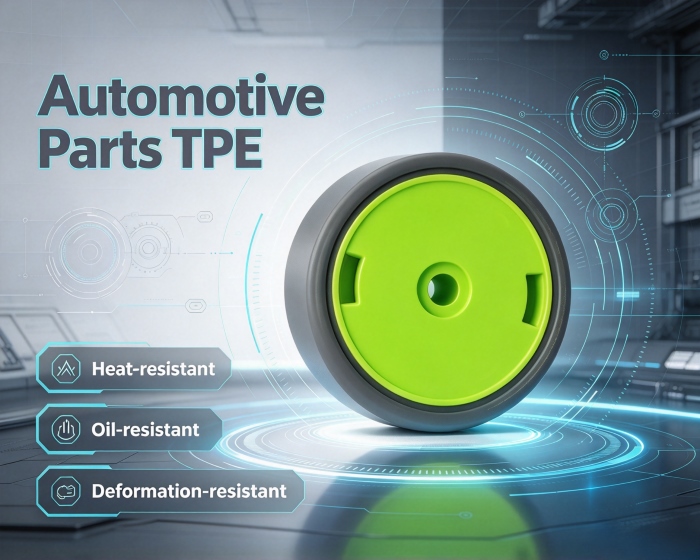
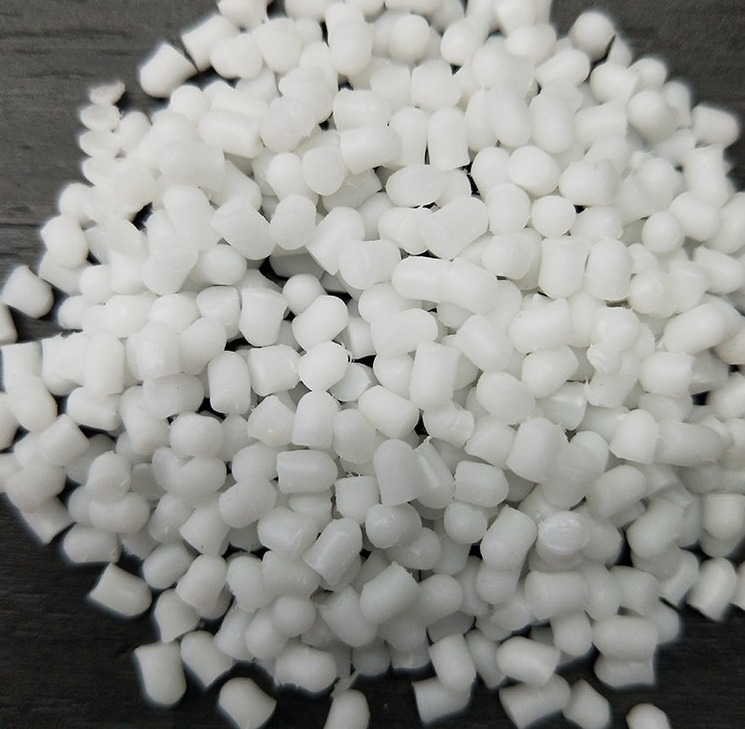
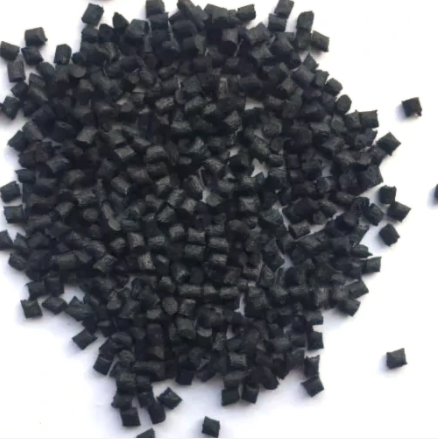
Automotive Parts TPE includes a range of materials, each facing different operating conditions. Some are exposed to the outdoors and must withstand UV radiation. Others are immersed in oil and must resist swelling. Still others must withstand tens of thousands of bending cycles without cracking. The reason Automotive Parts TPE continues to replace traditional rubber lies in its ability to combine rubber elasticity with plastic processing convenience, while offering flexibility in formulation.


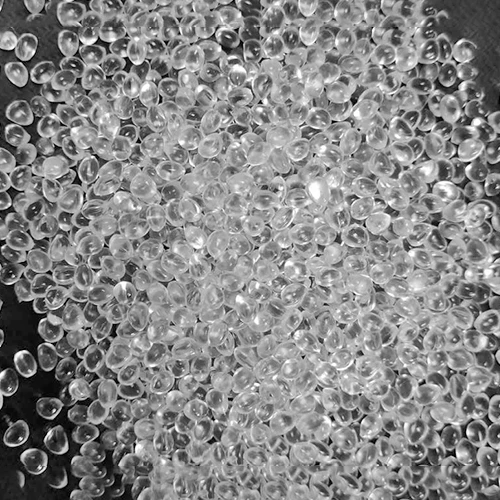
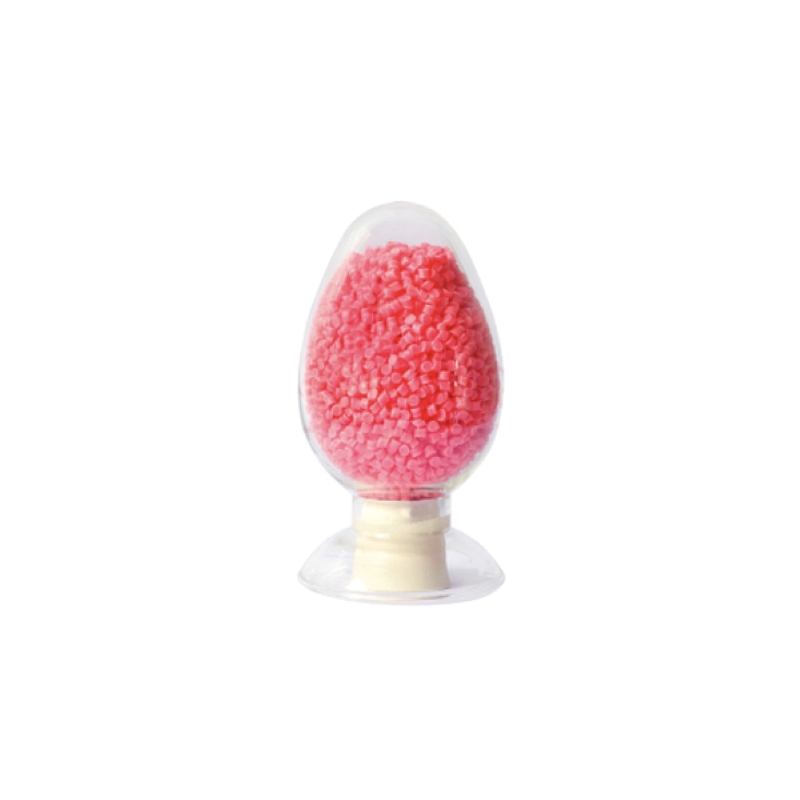
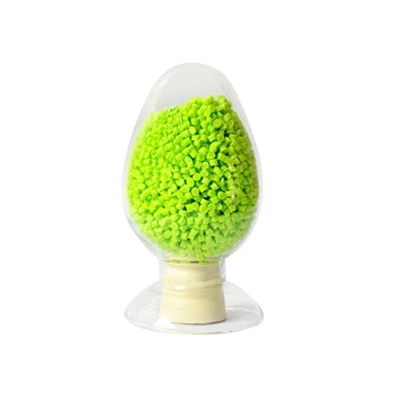
However, Automotive Parts TPE is not a single material but a family of materials. Different types have varying priorities in heat resistance, oil resistance, elasticity, and cost. Choosing the wrong type can make later formulation adjustments more difficult and time-consuming. Common types include TPO, TPV, TPU, SBC, TPEE, and PEBA.


TPO is a blend of polyolefins and unvulcanized rubber. It offers controllable costs, low density, and good weather resistance. It is mainly used in bumpers, exterior trim, and some interior surfaces. TPV can be considered an improved version of TPO. Its rubber phase undergoes dynamic vulcanization within a polypropylene matrix, resulting in better compression set resistance and heat resistance. It is mainly used in seals, window guide channels, dust covers, and some engine compartment tubing.


TPU stands out for its abrasion and tear resistance, and it also offers good oil resistance. It is commonly used in dust covers, bushings, spring sleeves, and load-bearing components. Its heat resistance is lower than that of TPEE. The actual operating temperature should be confirmed during material selection. SBC is based on SEBS or SBS. It has a soft feel, good resilience, and is easy to color. It is commonly used in interior components where tactile quality matters, such as airbag covers, instrument panel trim, and door panel trim strips.


TPEE uses a crystalline polyester hard segment and a polyether or polyester soft segment. It offers relatively high heat resistance and strength, along with good oil and flexural fatigue resistance. Its primary applications include constant-velocity joint boots, fuel lines, and rack dust covers. PEBA combines a polyamide hard segment with a polyether soft segment. It offers relatively high heat resistance, good low-temperature toughness, and is lightweight. It is commonly used in fuel system tubing, HVAC hose inner layers, and corrugated hoses requiring cold resistance.


How to Make the Right Selection?

Requirements for Automotive Parts TPE vary by application. For exterior and interior trim, the focus is on weather resistance, tactile feel, and lightweight design, making TPO and SBC common choices. For sealing and dust-proofing, compression set and fatigue resistance matter more, making TPV and TPEE suitable. The engine compartment and fuel systems demand heat and oil resistance, with TPEE and PEBA as primary choices. Load-bearing and wear-resistant components require the strength and tear resistance of TPU.


Zhongsu Wang TPE has years of formulation expertise in automotive components, with a product line covering multiple types. We can provide solutions for bumpers, sealing strips, dust covers, interior touch components, and engine compartment tubing. During selection, we can run sample tests under actual operating conditions. This helps verify that heat resistance, oil resistance, compression set, and processing windows meet production requirements.


Ordering and Technical Support

Customizable hardness and color

MOQ: Please contact us for details

Available Documentation: TDS, MSDS, and relevant test reports

Sample Support: Free laboratory samples are provided for performance testing


Related News
Leave me a message
在线客服系统
X
We use cookies to offer you a better browsing experience, analyze site traffic and personalize content. By using this site, you agree to our use of cookies. Privacy Policy
RejectAccept