News

Do High-Hardness TPE Material Products Whiten More Easily? Is Material Hardness Related to Whitening?

2026-01-06 0 Leave me a message

In TPE material product manufacturing workshops, the problem of surface whitening in high-hardness products often troubles manufacturers. Many are confused: why do TPE products with higher hardness tend to whiten more easily? What is the relationship between material hardness and whitening? Do you know what's going on? Let's explore this with the editor from Huizhou Zhongsu.

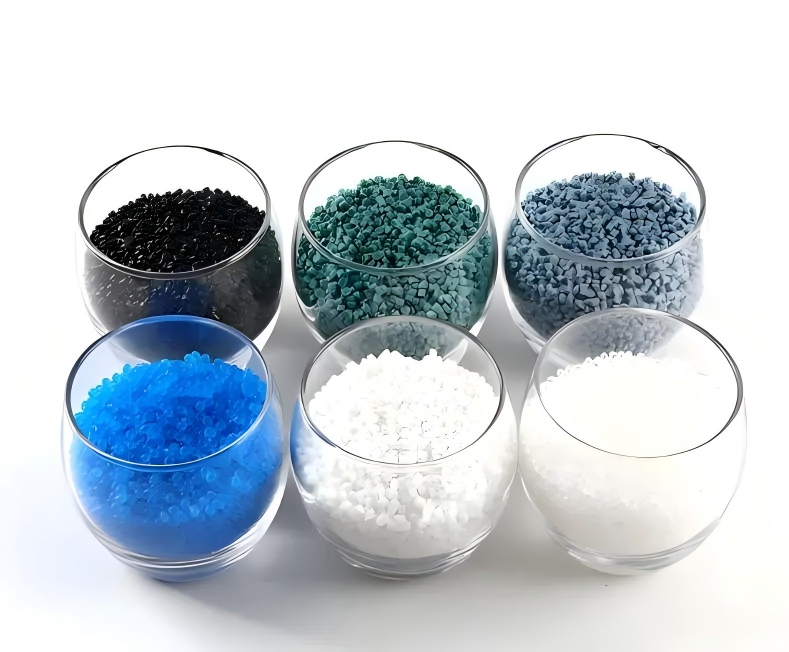
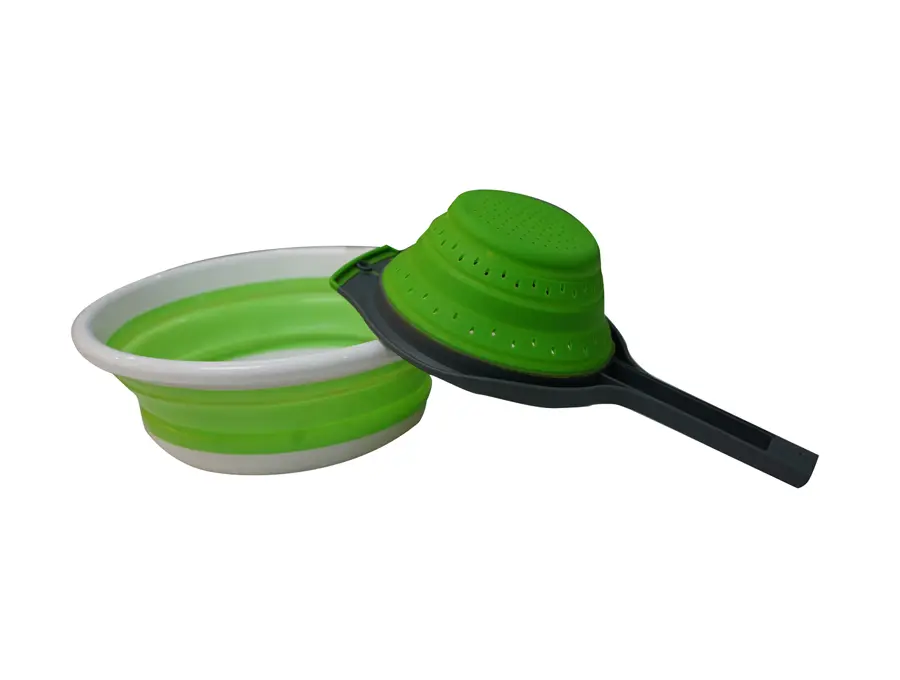
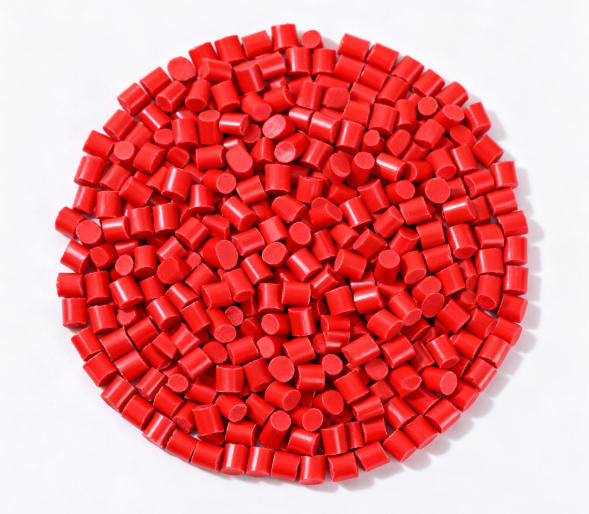
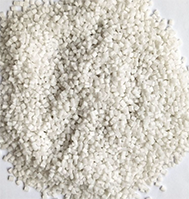
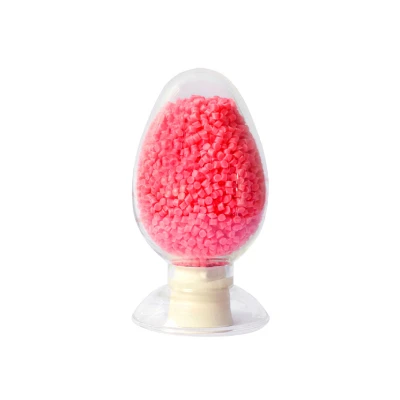
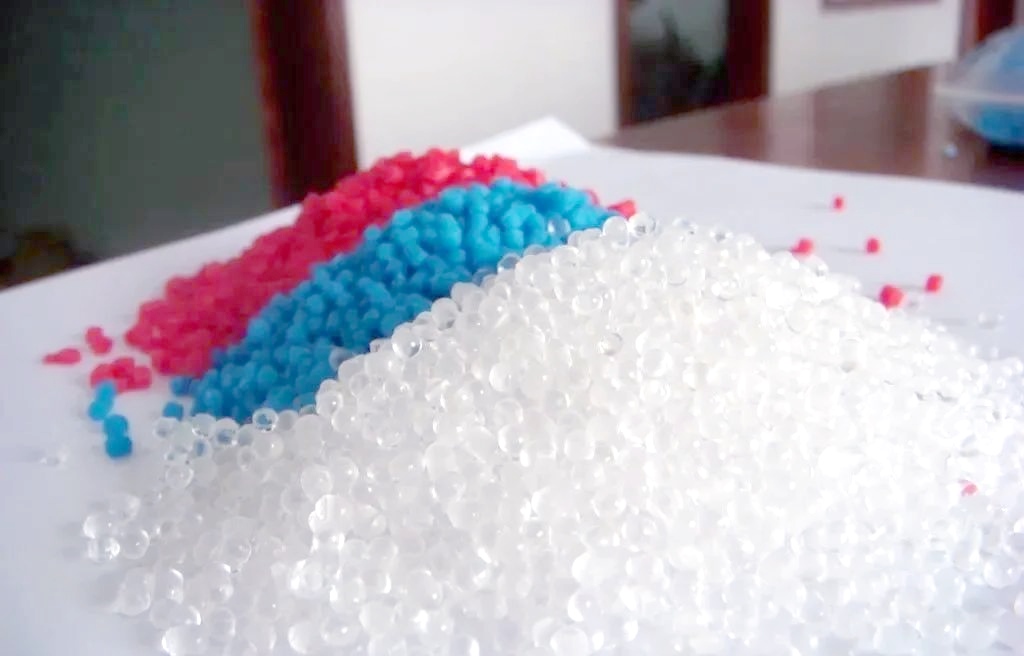
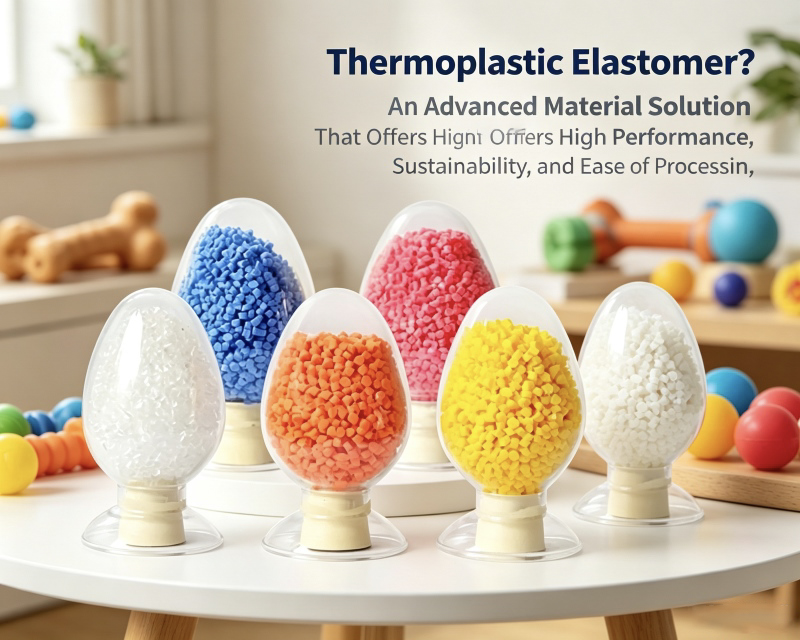
TPE material


In fact, high-hardness TPE products do have a relatively higher probability of whitening, but hardness itself is not the direct cause; it's the result of the combined effects of the underlying formula characteristics and processing requirements.

I. Key Factors for High Whitening Probability

The inherent characteristics and processing requirements of high-hardness TPE indirectly increase the likelihood of whitening.

To achieve higher hardness, more fillers or rigid components are added to the raw materials. If these components do not blend well with the base material, they can easily migrate to the surface during processing or use, forming a white, hazy layer.

High-hardness TPE has a relatively lower elastomer content, reducing material toughness. Stress concentration is more likely to occur during processing, and the release of stress after cooling can cause whitening marks on the surface.

High-hardness TPE material products have a narrower range of suitable processing temperatures. Improper temperature control can lead to insufficient melting of raw materials or excessively fast cooling, resulting in uneven surface microstructure and thus whitening.

TPE material

II. The Truth About the Relationship Between Hardness and Whitening

Material hardness is not the direct cause of whitening; the connection between the two stems from a chain reaction of formulation and process.

1. Low-hardness TPE products have relatively simple formulations, high elastomer content, and less filler added.  Component precipitation and stress concentration are relatively minor, so the probability of whitening is naturally lower.

2. High-hardness TPE products have more complex formulations and are more sensitive to processing parameters.  Deviations in filler ratio, processing temperature, etc., can easily trigger whitening, giving people the misconception that hardness and whitening are directly related.

3. If the high-hardness TPE formulation is designed reasonably, with good blending of fillers and base material, and the processing technology is properly controlled, whitening can be effectively avoided. 


III. Practical Techniques to Reduce Whitening

To reduce whitening in high-hardness TPE products, you can approach the problem from both formulation and processing aspects.

1. Optimize the formulation system: Choose fillers and additives that have better compatibility with the base material, and reasonably control the addition ratio to avoid excessive addition that leads to precipitation.

2. Adjust the processing technology: Appropriately increase the processing temperature to ensure sufficient melting of the raw materials, and optimize the mold temperature to slow down the cooling rate and reduce stress concentration.

3. Strengthen mold maintenance: Keep the mold surface clean and smooth, and promptly clean up residual raw materials or release agents to avoid surface defects that can cause localized whitening.


In short, high-hardness TPE materials do have a higher probability of whitening, but hardness and whitening are not directly causally related. The core influencing factors are the rationality of the formulation and the control of the processing technology. By optimizing the formulation and processing details, even high-hardness TPE products can maintain a good surface condition and effectively avoid whitening problems.


Related News
Leave me a message
在线客服系统
X
We use cookies to offer you a better browsing experience, analyze site traffic and personalize content. By using this site, you agree to our use of cookies. Privacy Policy
Reject Accept