News

Is TPR Material Easily Scratched? How Good Is Its Wear Resistance?

2025-12-19

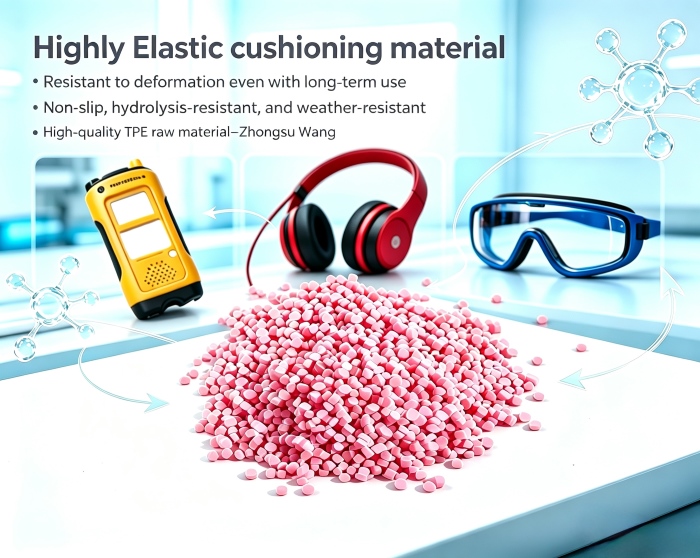
TPR material has long been widely used in daily necessities, toys, and various accessories due to its soft, skin-friendly, and flexible characteristics. However, many users are concerned about whether its surface is easily scratched and whether its wear resistance can meet their usage needs. In fact, the wear resistance of this material has no fixed standard and is affected by various factors such as formula composition, usage environment, and contact objects.  It can adapt to the needs of most daily scenarios. Let's analyze this with the editor from Huizhou Zhongsuwang.

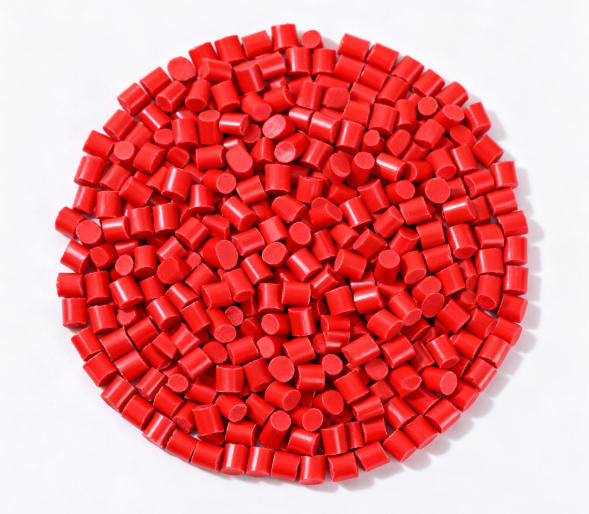
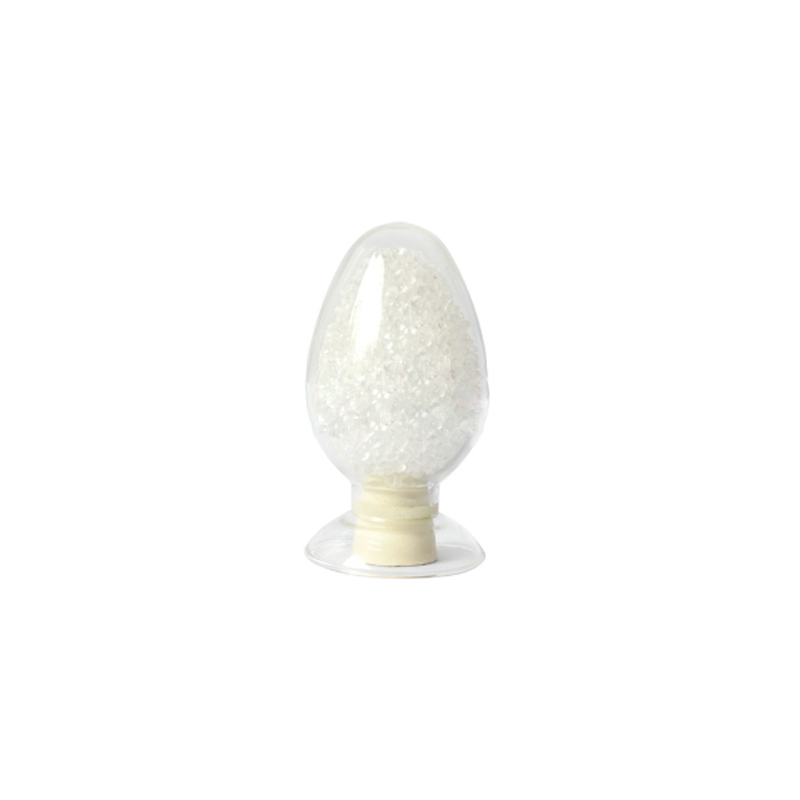
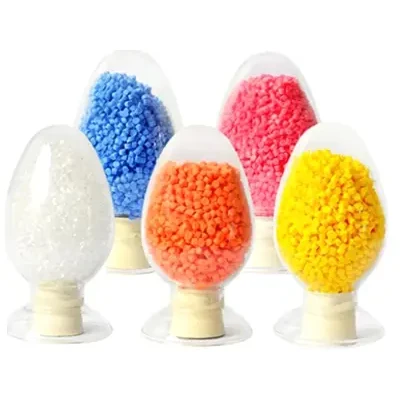
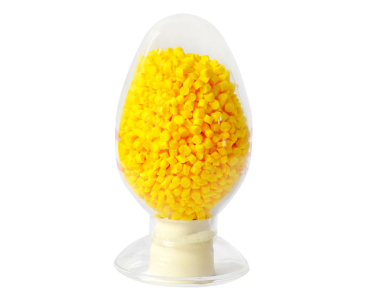
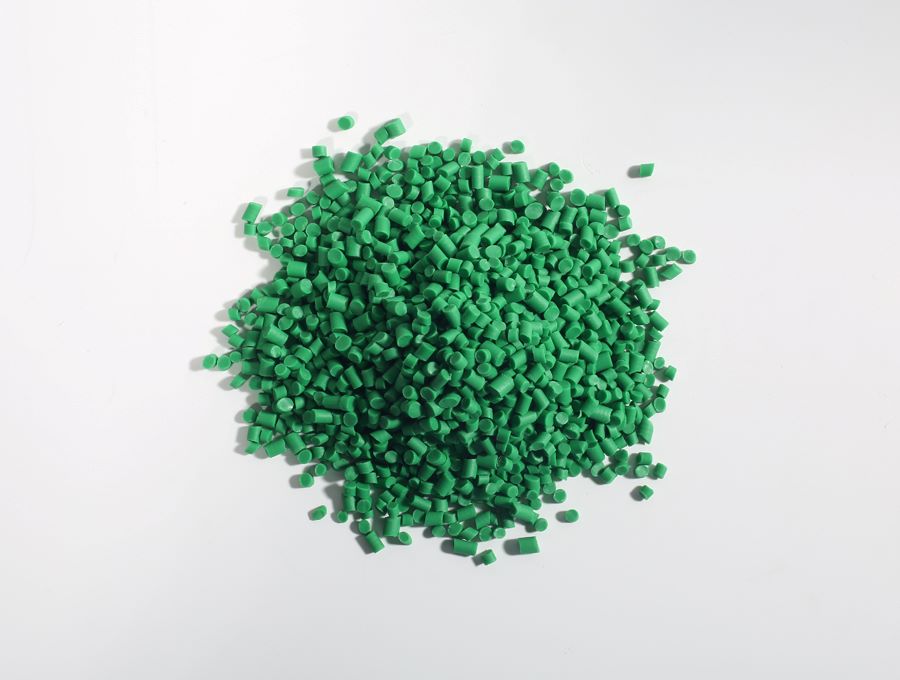
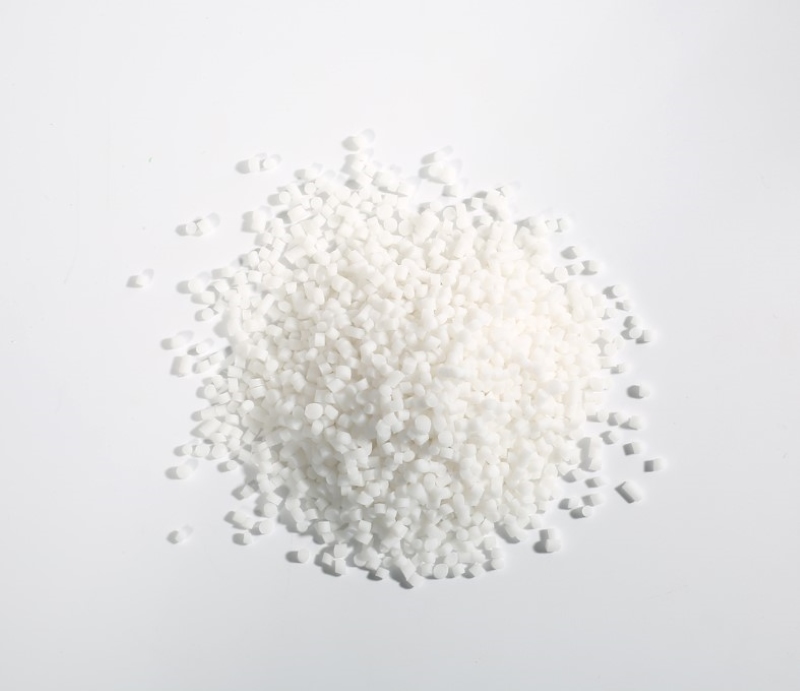
TPR material

I. Core Factors Affecting Wear Resistance

The wear resistance of this material primarily depends on the basic formula. TPR with added wear-resistant additives or high-quality base materials exhibits better wear resistance; while formulas that prioritize softness or cost control have relatively weaker wear resistance.

Material hardness also affects wear resistance. TPR with moderate hardness is less prone to scratches during daily friction; overly soft TPR surfaces are easily marked by sharp objects, while overly hard TPR may lose its original toughness and easily experience chipping and shedding during friction.

In addition, the friction intensity and type of contact objects in the usage scenario are also crucial. When subjected to slight friction with smooth surfaces, most TPR materials can maintain a good surface condition; however, if frequently in contact with rough objects or sharp edges, even with a wear-resistant formula, the surface may gradually show scratches.


II. Actual Wear Resistance Performance in Different Scenarios

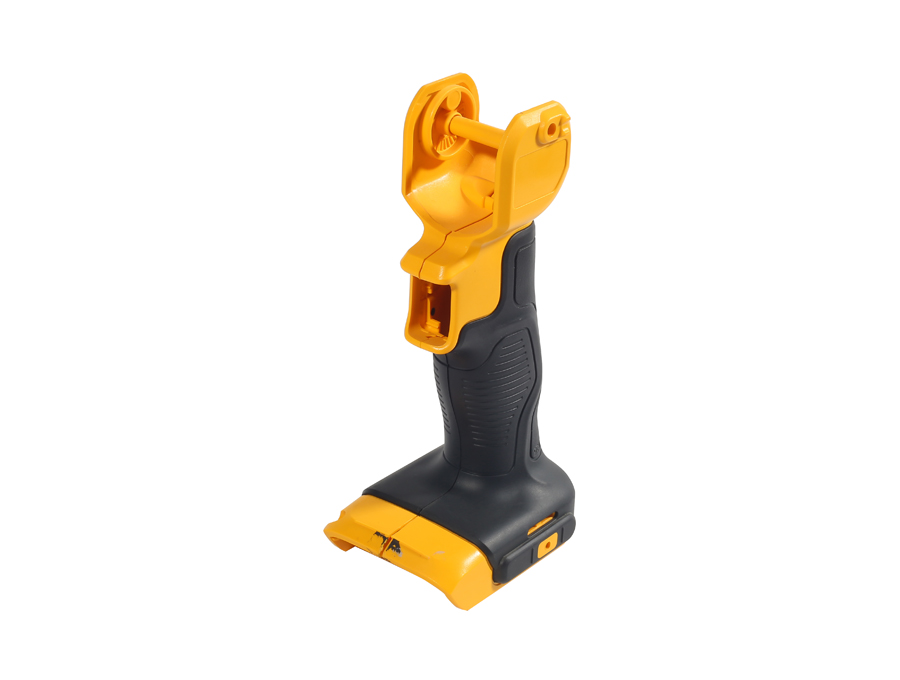
In daily use scenarios, such as tableware handles, digital accessories, and ordinary toys, this material is not easily scratched by daily contact and slight friction, and its wear resistance generally meets the needs of these scenarios.

However, in high-frequency friction scenarios, or when frequently in contact with sharp or rough objects such as keys and sand, the TPR surface may gradually show scratches and wear, and the surface gloss or integrity may be affected after long-term use. For products that need to maintain their appearance for a long time, such as high-end accessories and frequently handled items, it is recommended to choose TPR materials with clearly marked wear-resistant properties.  These materials have specially optimized formulations that can better withstand the wear and tear caused by daily friction.


III. Practical Suggestions for Improving Wear Resistance

To reduce scratching on the surface of TPR materials and improve wear resistance and durability, consider the following suggestions:

When choosing a product, prioritize checking the material's performance description and select a TPR product with appropriate hardness and formulation based on the usage scenario. Avoid using soft TPR for parts that will experience frequent friction.

During daily use, try to avoid prolonged contact between TPR products and sharp objects. Store them separately from rough objects to reduce unnecessary friction and wear. If slight scratches appear on the surface, gently clean the surface to remove any attached impurities and reduce the magnifying effect of subsequent friction on the scratches.


In summary, TPR material is not easily scratched, and its wear resistance can meet the needs of most daily use scenarios. The key lies in the material formulation and usage method. By choosing a TPR product with an appropriate formulation based on the specific usage scenario and paying attention to protection during daily use, you can effectively reduce scratching, better maintain the product's good condition, and extend its lifespan.


Related News
在线客服系统
X
We use cookies to offer you a better browsing experience, analyze site traffic and personalize content. By using this site, you agree to our use of cookies. Privacy Policy
Reject Accept