News

What Makes TPE Material Food-Grade? Key Criteria and Test Standards

2026-09-23 0 Leave me a message

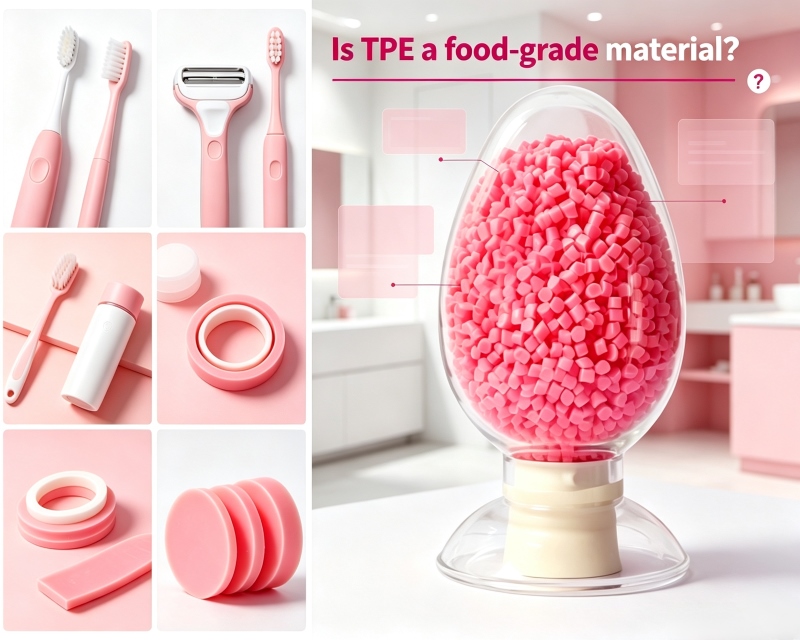
TPE can be a food-grade material, but not all TPE meets food-grade standards. TPE material itself is a non-toxic, safe polymer; however, to meet food contact standards, food-grade base materials and additives must be selected from the raw material stage, and the TPE material must pass the relevant regulatory testing and certification for the target market. The two cannot simply be equated. Next, the editorial team at Zhongsu Wang TPE will provide a detailed introduction.


What criteria must food-grade TPE meet?

To be classified as food-grade TPE, several requirements must be met simultaneously. First, the formulation must be free of harmful substances, including phthalate plasticizers, bisphenol A, polycyclic aromatic hydrocarbons, nonylphenol, and heavy metals such as lead and cadmium. Second, it must pass tests based on authoritative food safety standards, such as the U.S. FDA's 21 CFR 177.2600, the EU Food Contact Materials Regulation (EC) No. 1935/2004, the German LFGB standard, and China's GB 4806 series of standards. Third, the TPE material must exhibit low migration; when in contact with food, it does not leach harmful substances into the food. All of these conditions are indispensable; the mere fact that a material is non-toxic is not sufficient to classify it as food-grade.


Differences Between Food-Grade TPE and Standard TPE

The differences between the two primarily lie in the source of raw materials, additive control, and certification requirements. Food-grade TPE uses specialized raw materials certified by the FDA or LFGB; the types and amounts of additives in the formulation are strictly limited, and it contains no phthalate plasticizers or bisphenol A, nor does it contain heavy metals or polycyclic aromatic hydrocarbons. Standard TPE has relatively looser restrictions in this regard; it may use recycled materials or excessive fillers, and there are no mandatory certification requirements. Consequently, their applications differ: food-grade TPE is primarily used in areas with high safety requirements, such as food contact and medical devices, while standard TPE is more commonly found in general applications such as industrial products, consumer goods, and the automotive sector.


Common Applications of Food-Grade TPE

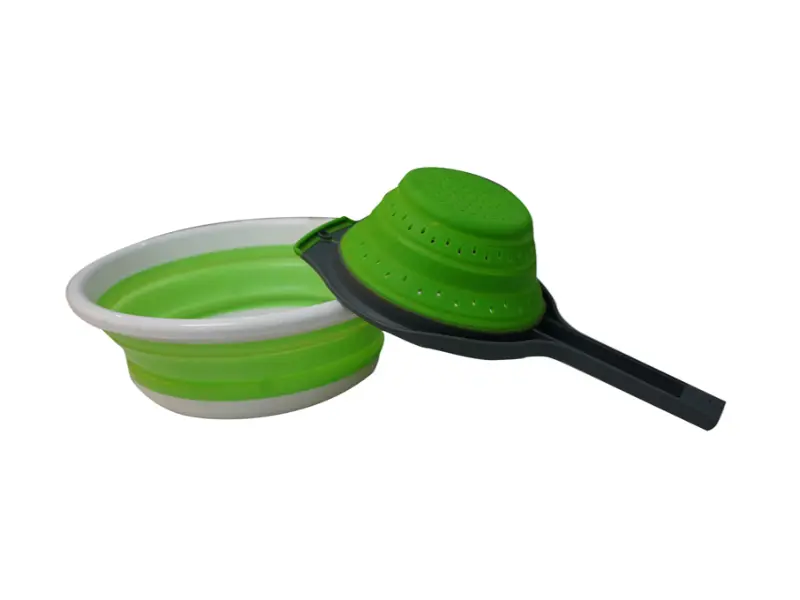
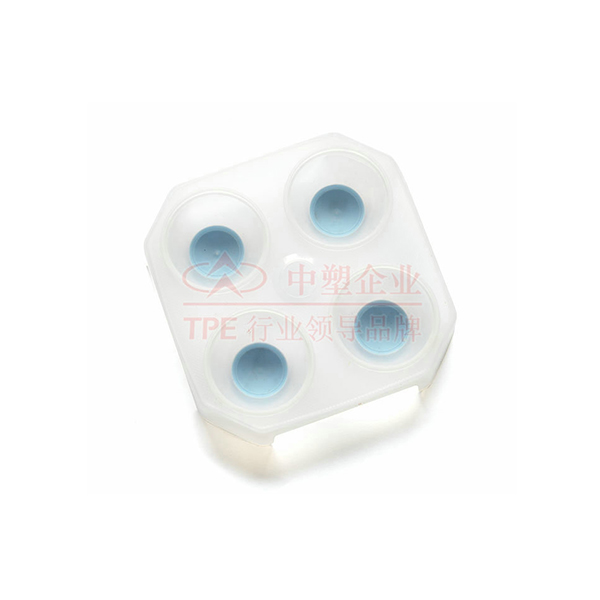
Thanks to its non-toxic nature, good elasticity, temperature resistance, and sealing properties, food-grade TPE has found its way into many aspects of daily life. In food packaging, sealing gaskets for beer can lids have shifted from PVC to TPE, and TPE is also used in the sealing rings of food storage containers and food containers. In kitchenware, TPE can be found in cutlery handles, spoons, forks, non-slip coasters, and refrigerator ice trays. For baby and maternal products, baby pacifiers, teething rings, and teething sticks are typical applications. In the medical field, the TPE material is also commonly used in catheters, IV tubing, bottle stoppers, and the sealing gaskets of water dispensers.


Points to Consider When Purchasing

When selecting food-grade TPE products, consumers should check whether the product is labeled with certifications such as FDA, LFGB, or GB 4806. They should also pay attention to temperature limits and replacement cycles to avoid prolonged exposure to high temperatures during boiling or using the product beyond its recommended lifespan. For manufacturers, when selecting TPE material, it is more valuable to confirm whether the supplier can provide valid test reports issued in the manufacturer's own name than to focus solely on price.


TPE material is inherently a safe and non-toxic material; however, only TPE that has undergone food-grade certification and is produced using qualified raw materials can be classified as food-grade TPE. Safety in food-contact applications is only supported when every step, from raw materials to certification to usage guidelines, is properly addressed.


Related News
Leave me a message
在线客服系统
X
We use cookies to offer you a better browsing experience, analyze site traffic and personalize content. By using this site, you agree to our use of cookies. Privacy Policy
RejectAccept